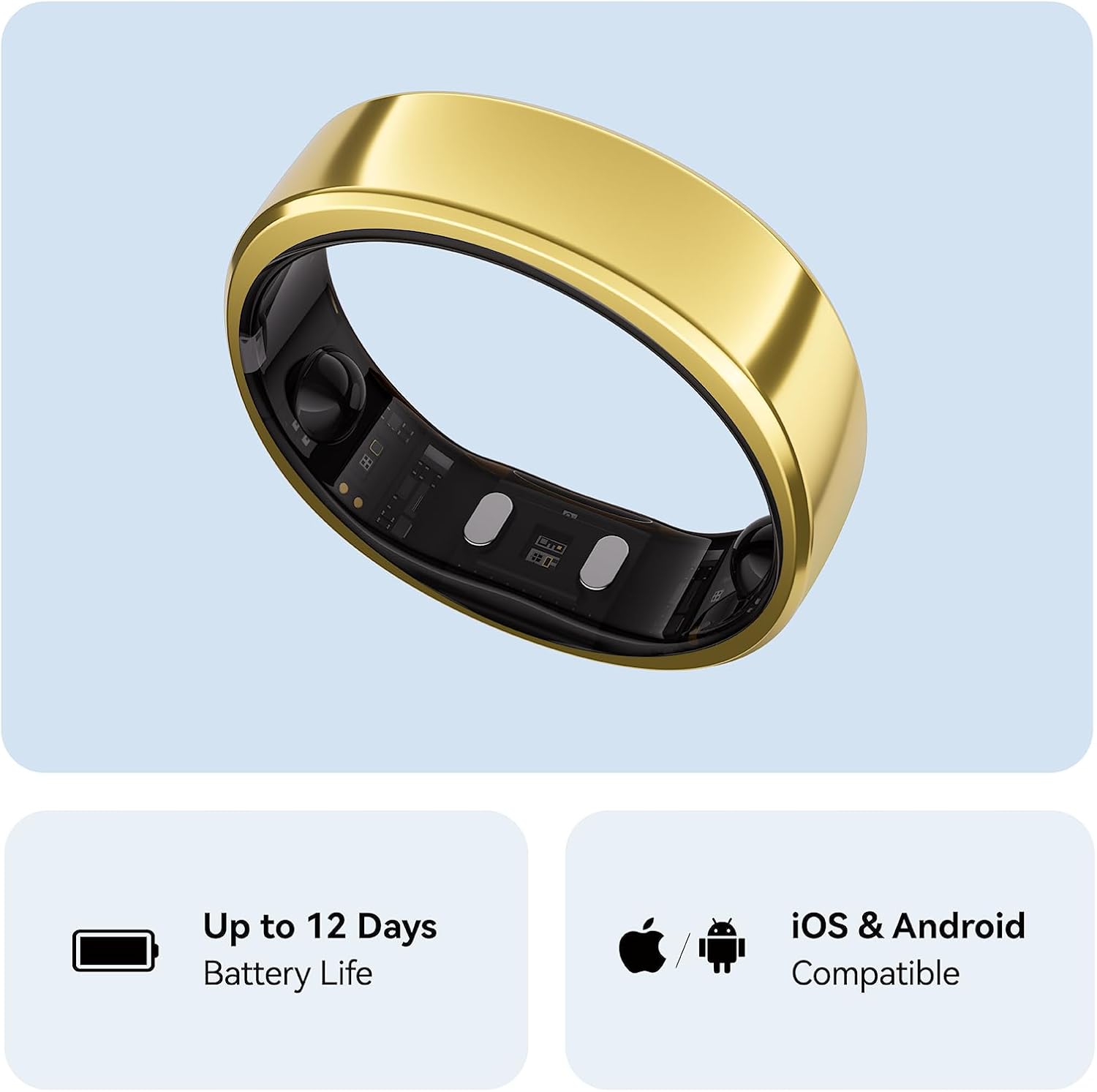
RingConn Gen 3 review: what's new, what's the same, and who should upgrade
RingConn Gen 3 adds vibration alerts and blood pressure trends, but the core experience is similar to Gen 2. Here's who should upgrade and who should stick with Gen 2.
RingConn reviews, sizing, battery, accuracy notes, and common fixes. Compare Gen 3 vs Gen 2, understand no-subscription benefits, and avoid common buyer mistakes.
RingConn is popular for two simple reasons: it’s comfortable, and you don’t pay a monthly fee to see your data.
This hub organizes all RingConn guides: reviews, sizing, battery life, troubleshooting, and comparisons with Oura, Samsung, and Ultrahuman.
| Model | Price | Battery | Key feature |
|---|---|---|---|
| RingConn Gen 3 | $349 ($314 pre-order) | 14-17 days | Vibration alerts, BP trends |
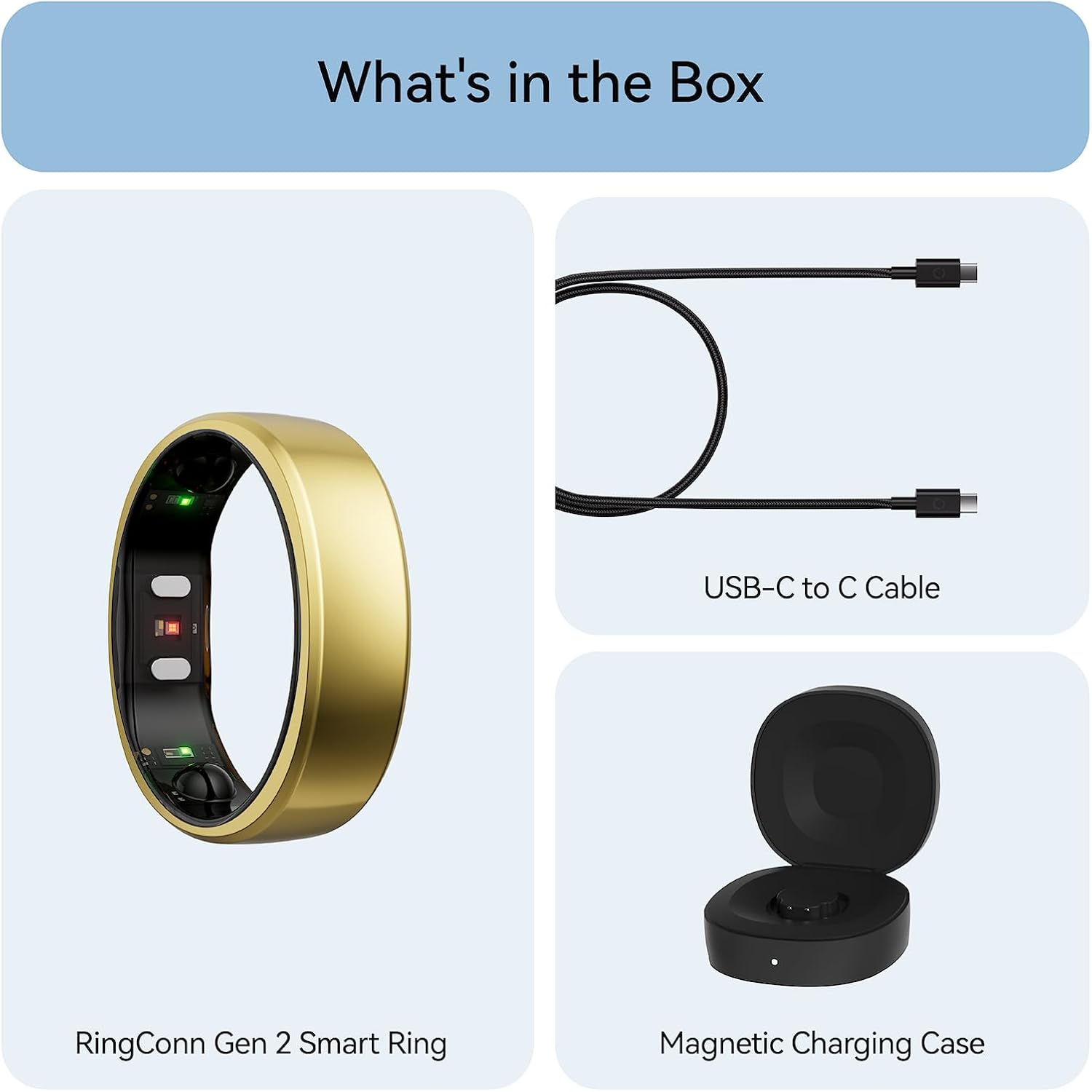
| RingConn Gen 2 | $299 | 10-12 days | No subscription, solid tracking |
| RingConn Gen 2 Air | $199 | 7-10 days | Budget option, lighter build |
All RingConn models have no subscription. This is the main differentiator from Oura ($5.99/month required).
No subscription: You pay once, you get all features forever. Oura requires $5.99/month for full access. Over 2 years, Oura costs ~$493 vs RingConn Gen 2 at $299.
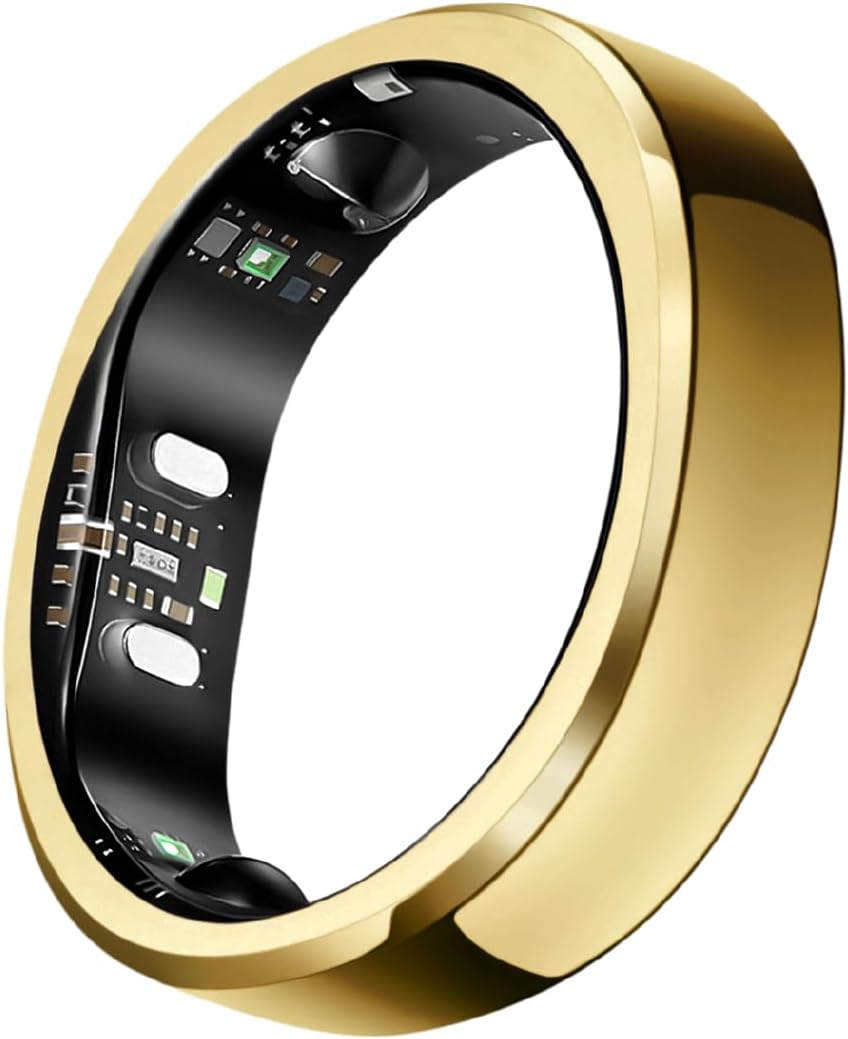
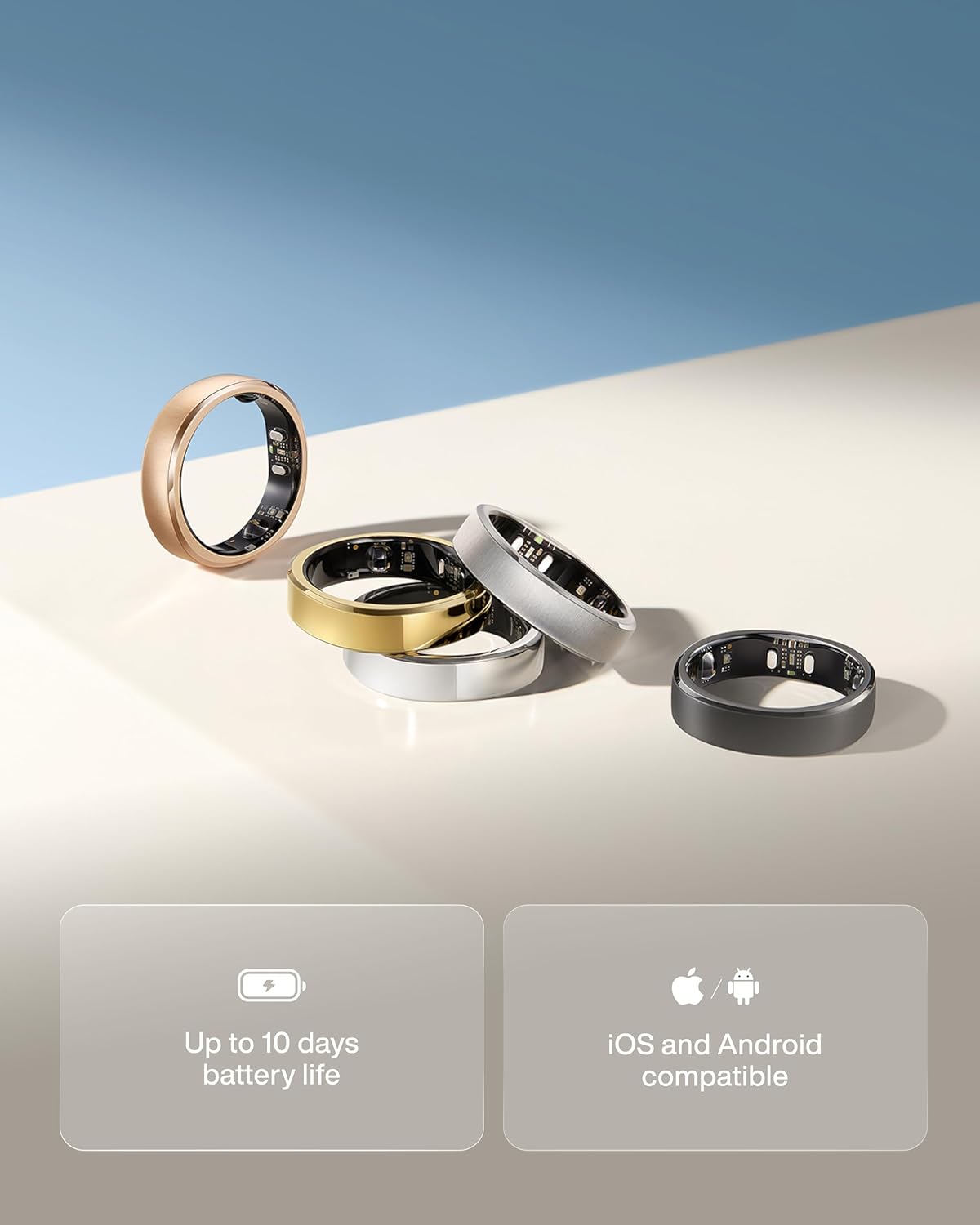
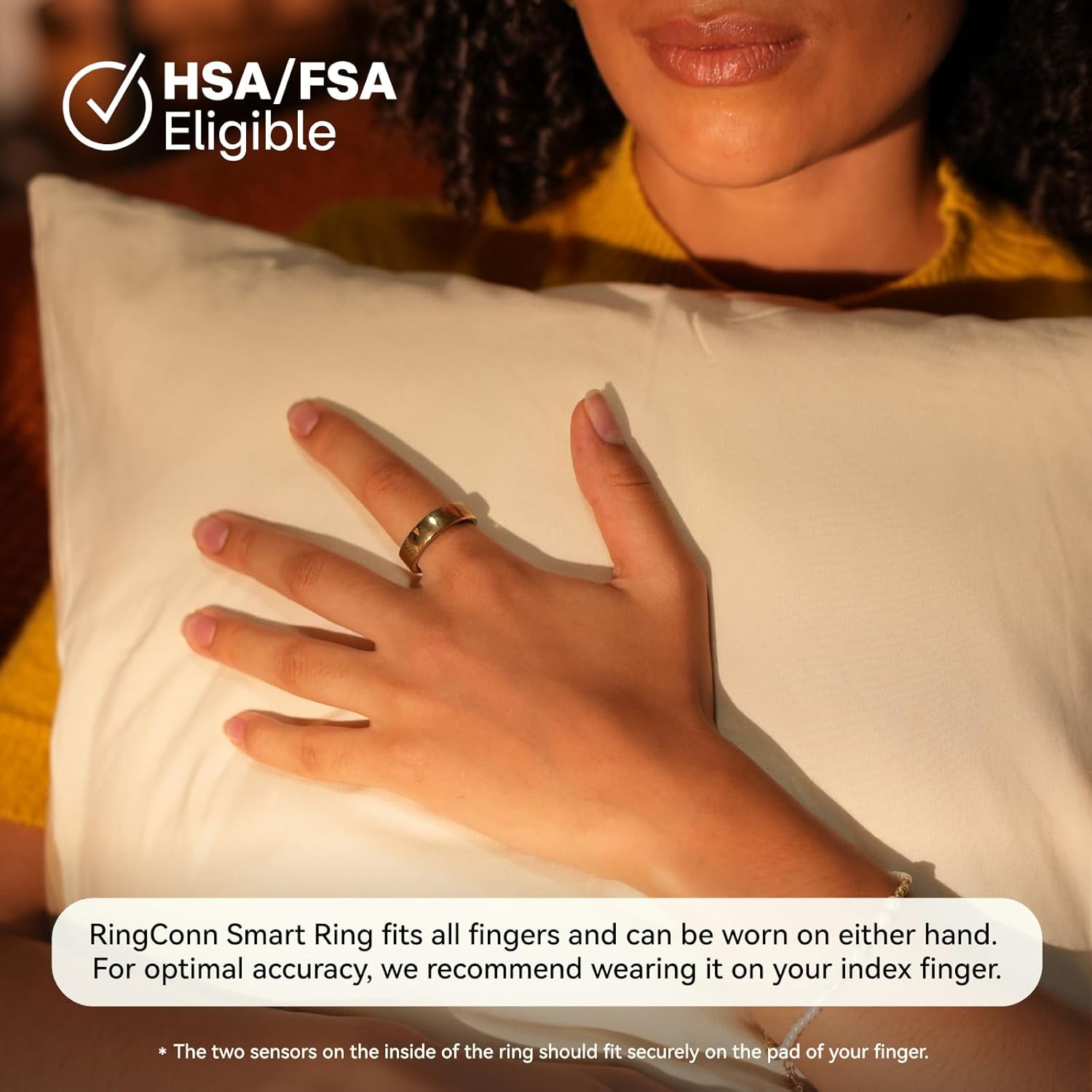
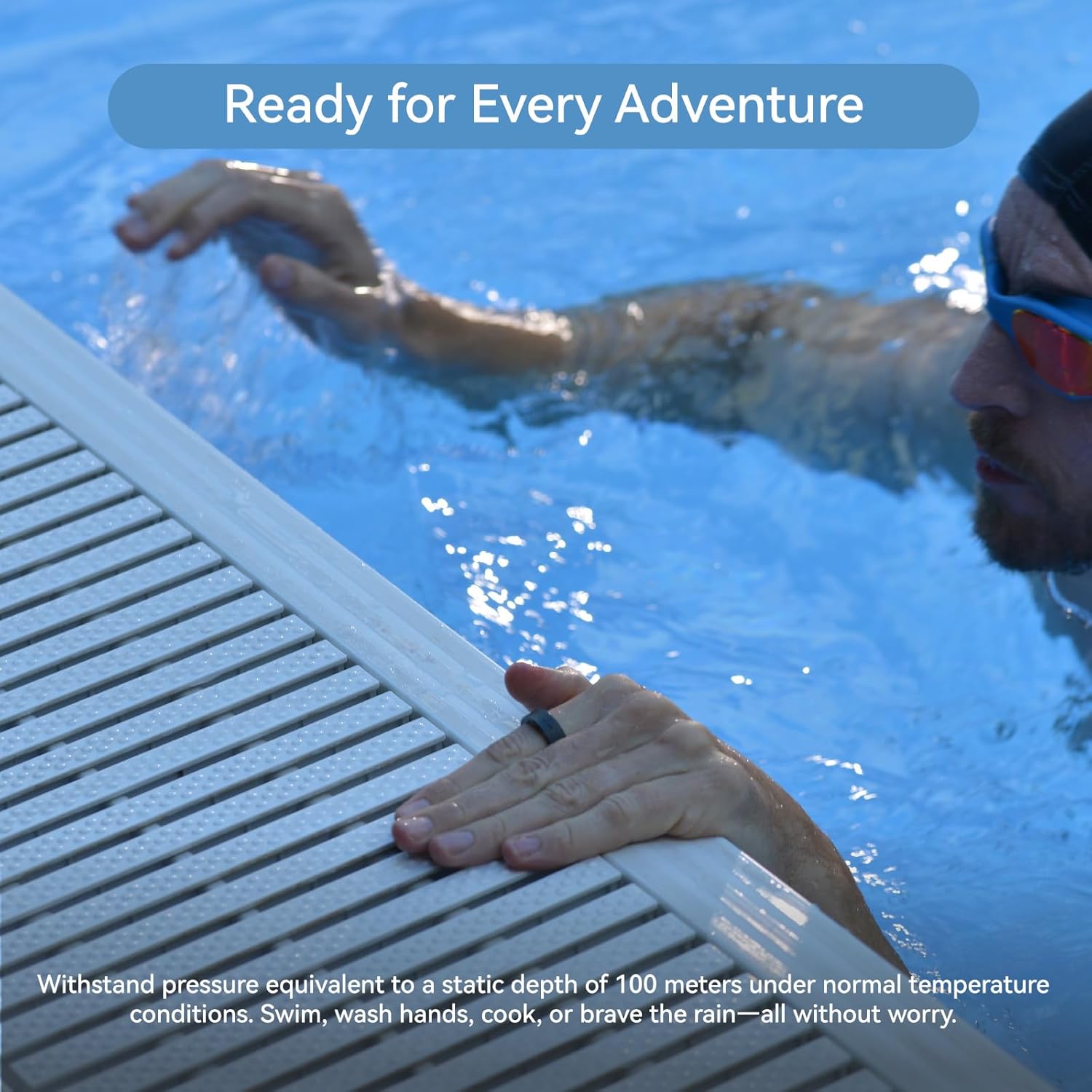
Comfort: RingConn rings are lightweight (2-3g) and designed for 24/7 wear. The titanium build is durable and doesn’t feel bulky on your finger.
Battery life: Gen 3 lasts up to 17 days. Gen 2 lasts 10-12 days. Both are significantly longer than Oura (3-4 days) and Samsung Galaxy Ring (4-6 days).
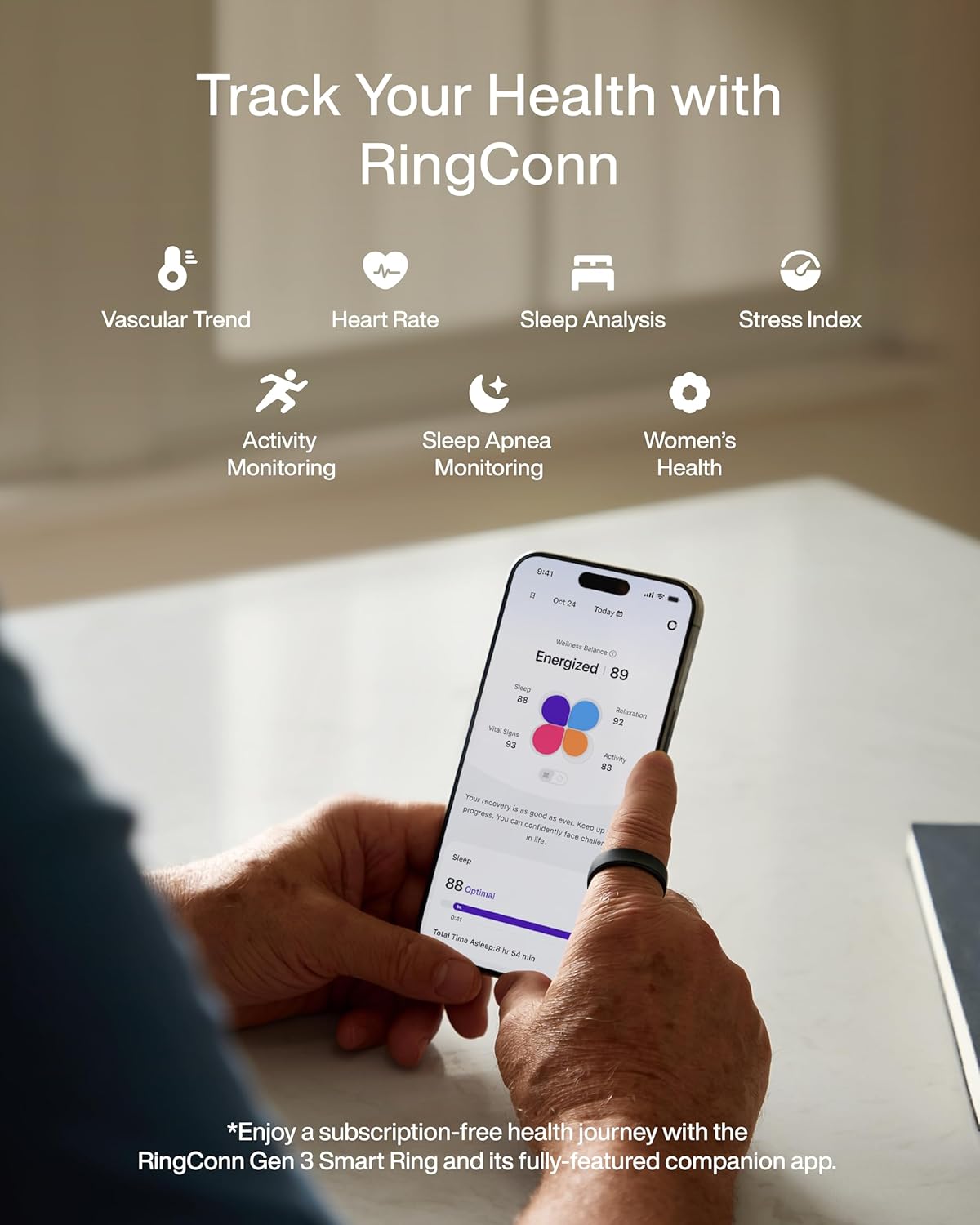
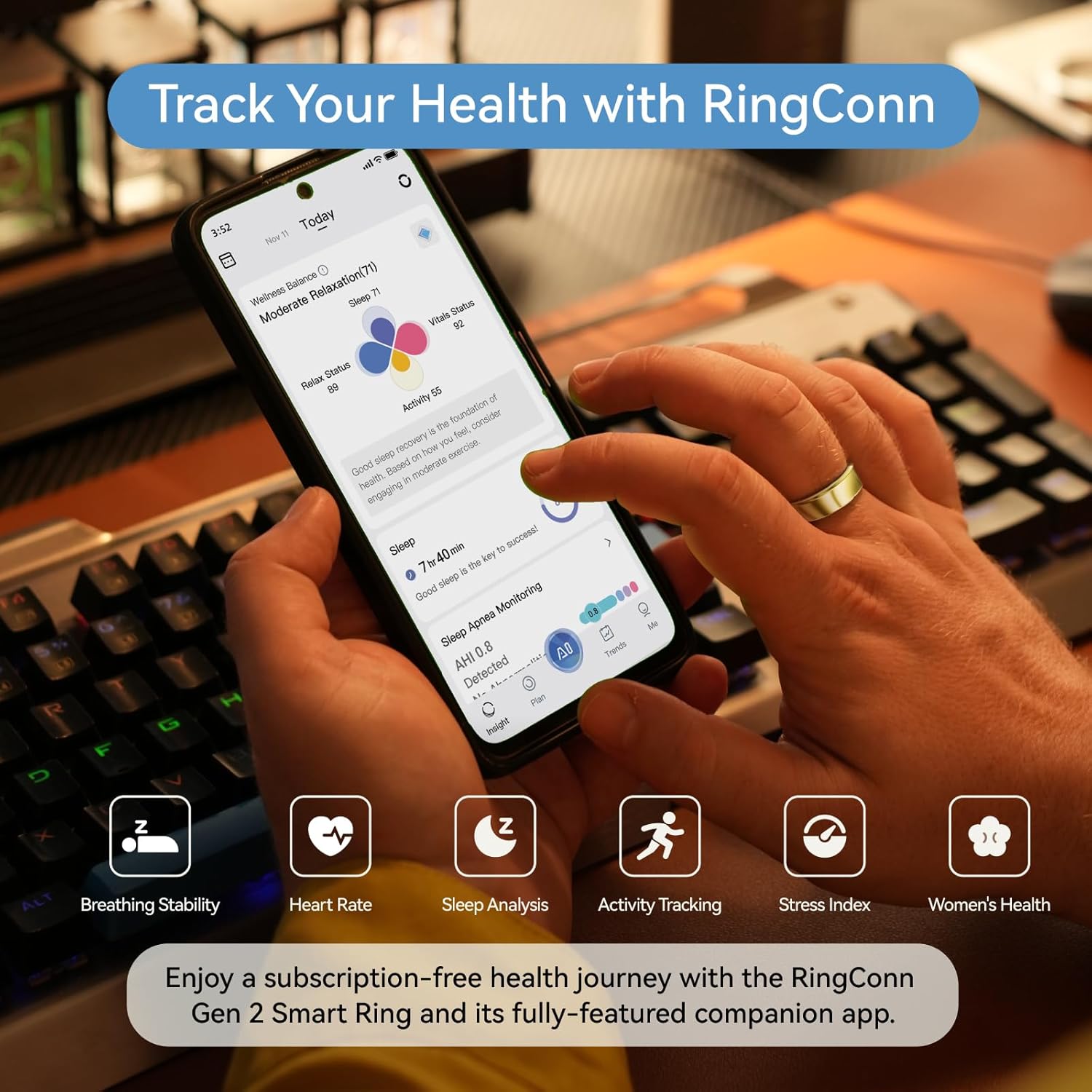
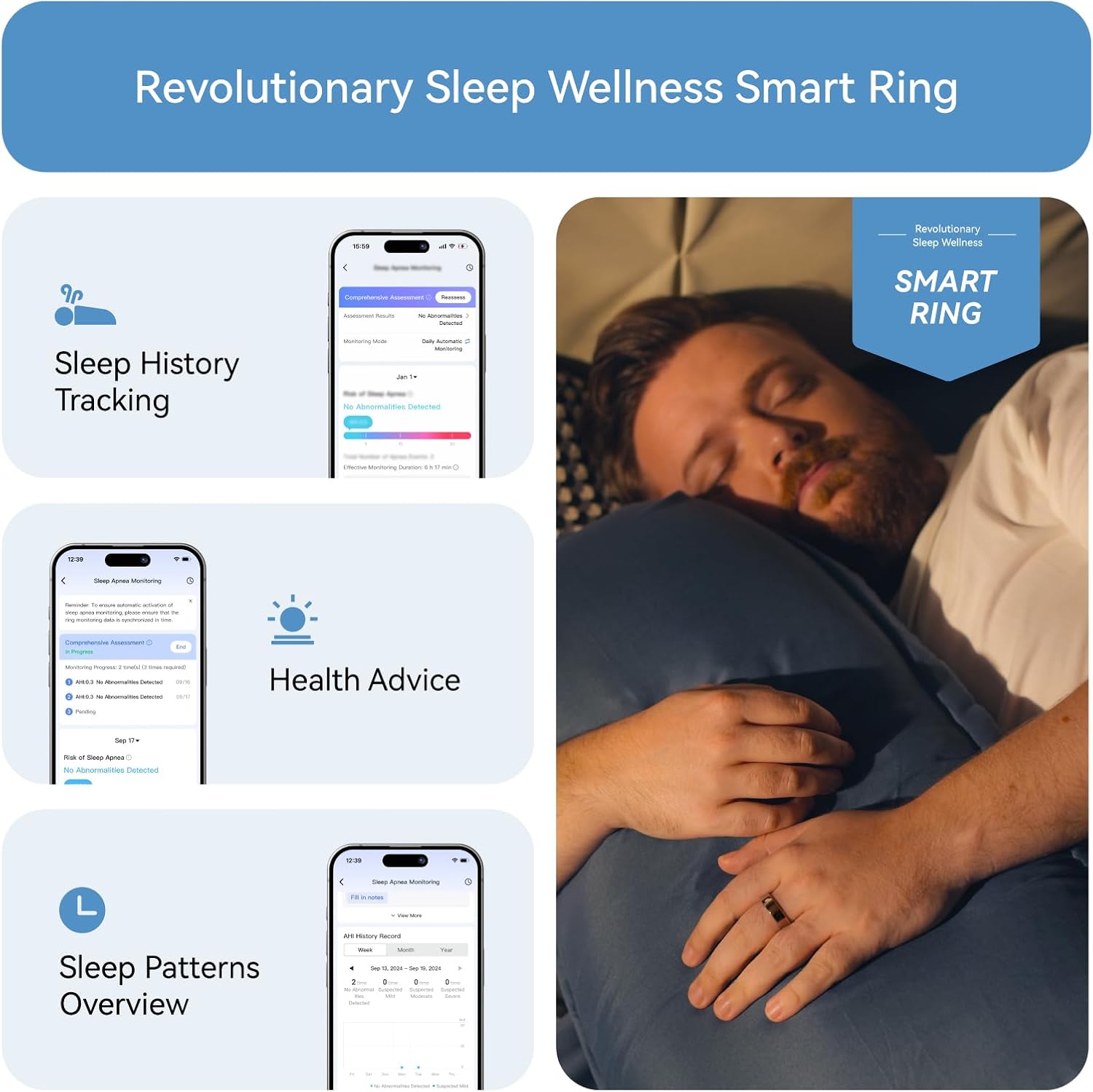
Sleep tracking: RingConn tracks sleep duration, stages (light/deep/REM), HRV during sleep, and nighttime temperature. The data is useful for trend tracking, not medical diagnosis.
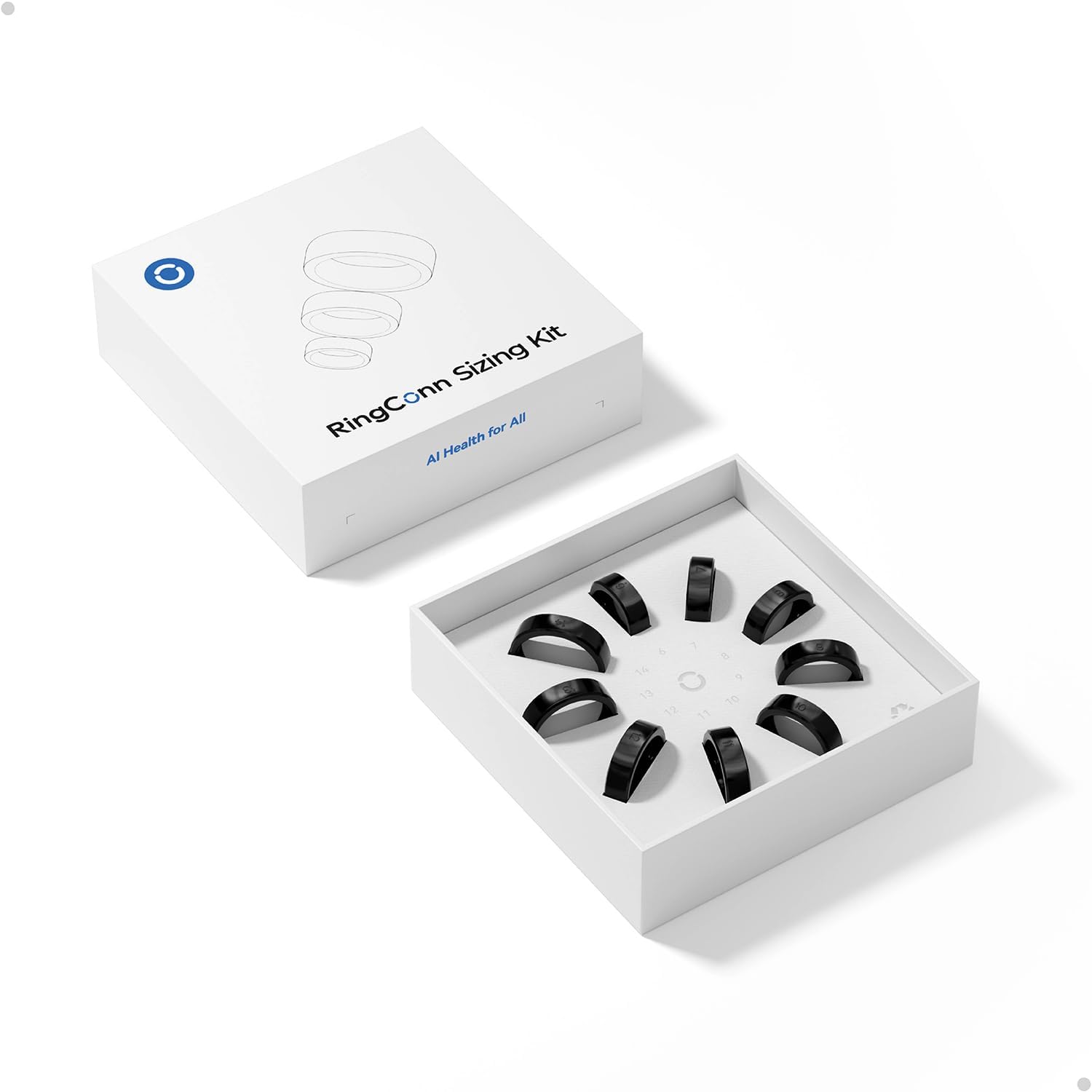
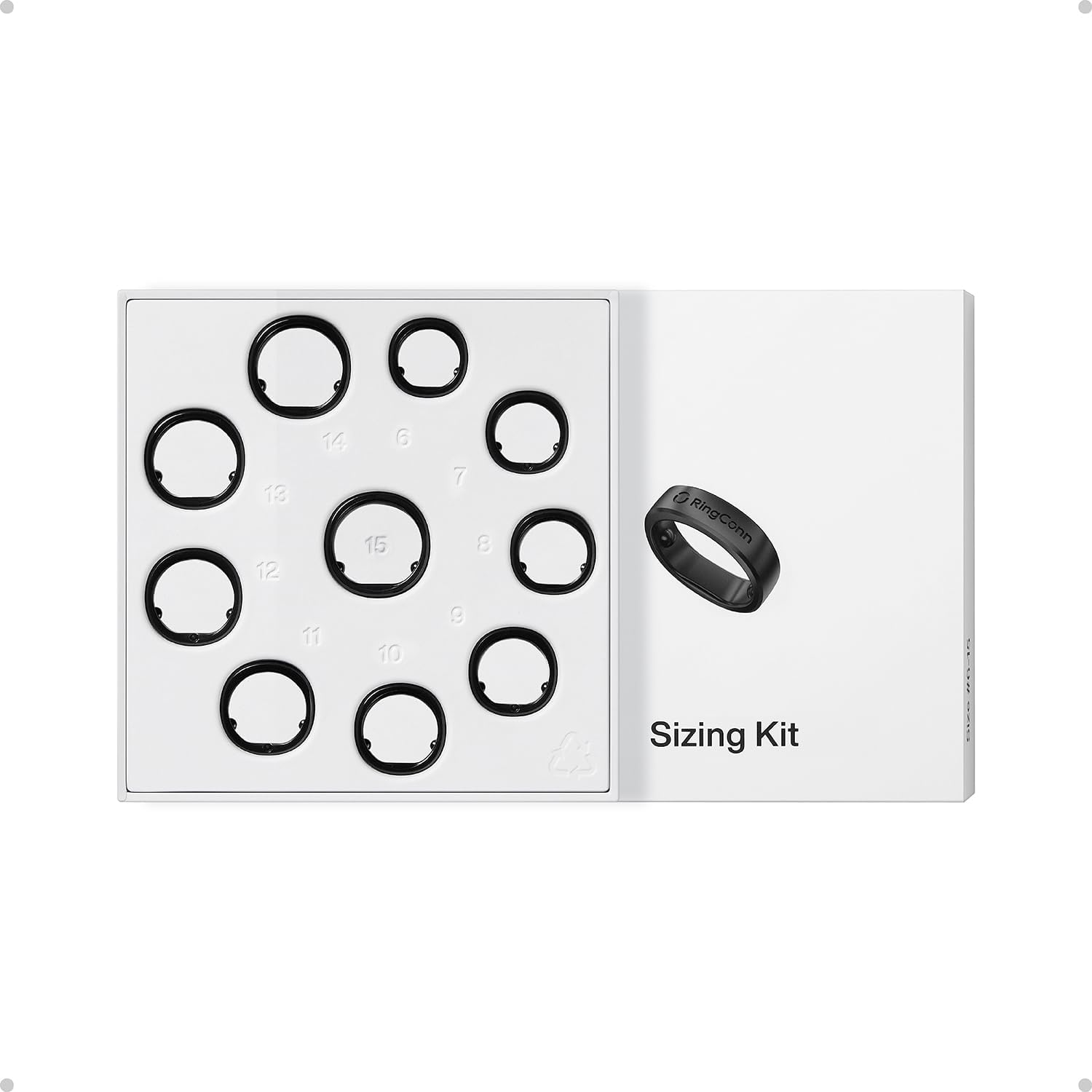
1. Wrong sizing Smart rings fit differently than jewelry rings. A slightly loose ring causes sensor rotation and inconsistent data. A slightly tight ring causes discomfort and skin irritation.
Solution: Always order the free sizing kit. Wear the sizing rings for 24-48 hours during normal activity and sleep.
2. Expecting workout HR accuracy Optical sensors struggle during movement. This is true for all smart rings, all smartwatches. RingConn is not a workout tracking device.
Solution: If workout HR matters, get a chest strap (Polar H10, Garmin HRM-Pro). Use RingConn for sleep and recovery tracking.
3. Expecting medical-grade sleep staging Smart rings estimate sleep stages based on movement and HRV. They’re not EEG devices. The staging is useful for trends, not clinical accuracy.
Solution: Treat sleep data as pattern recognition, not diagnosis. If you need clinical sleep data, see a sleep specialist.
4. Checking readiness too early Readiness scores need a baseline. The first 1-2 weeks of data are less meaningful. Users who check daily without baseline get frustrated.
Solution: Wait 2-3 weeks before interpreting readiness trends. Focus on sleep duration and HRV patterns first.
Gen 3 adds:
Gen 2 is still good if:
Upgrade to Gen 3 if:
See RingConn Gen 3 vs Gen 2 for detailed comparison.
More troubleshooting guides will be added after editorial expansion. For launch, the public hub only links to reviewed indexable guides.
RingConn Amazon Store: Browse all RingConn models
RingConn Gen 2 on Amazon: Check current price
RingConn Gen 3 adds vibration alerts and blood pressure trends, but the core experience is similar to Gen 2. Here's who should upgrade and who should stick with Gen 2.
RingConn Gen 3 battery lasts 17 days in real testing, not just the advertised 14. Here's what affects battery life and how to maximize it.
RingConn offers up to $70 trade-in discount for Gen 1, Gen 2, or Gen 2 Air owners upgrading to Gen 3. Here's how it works.
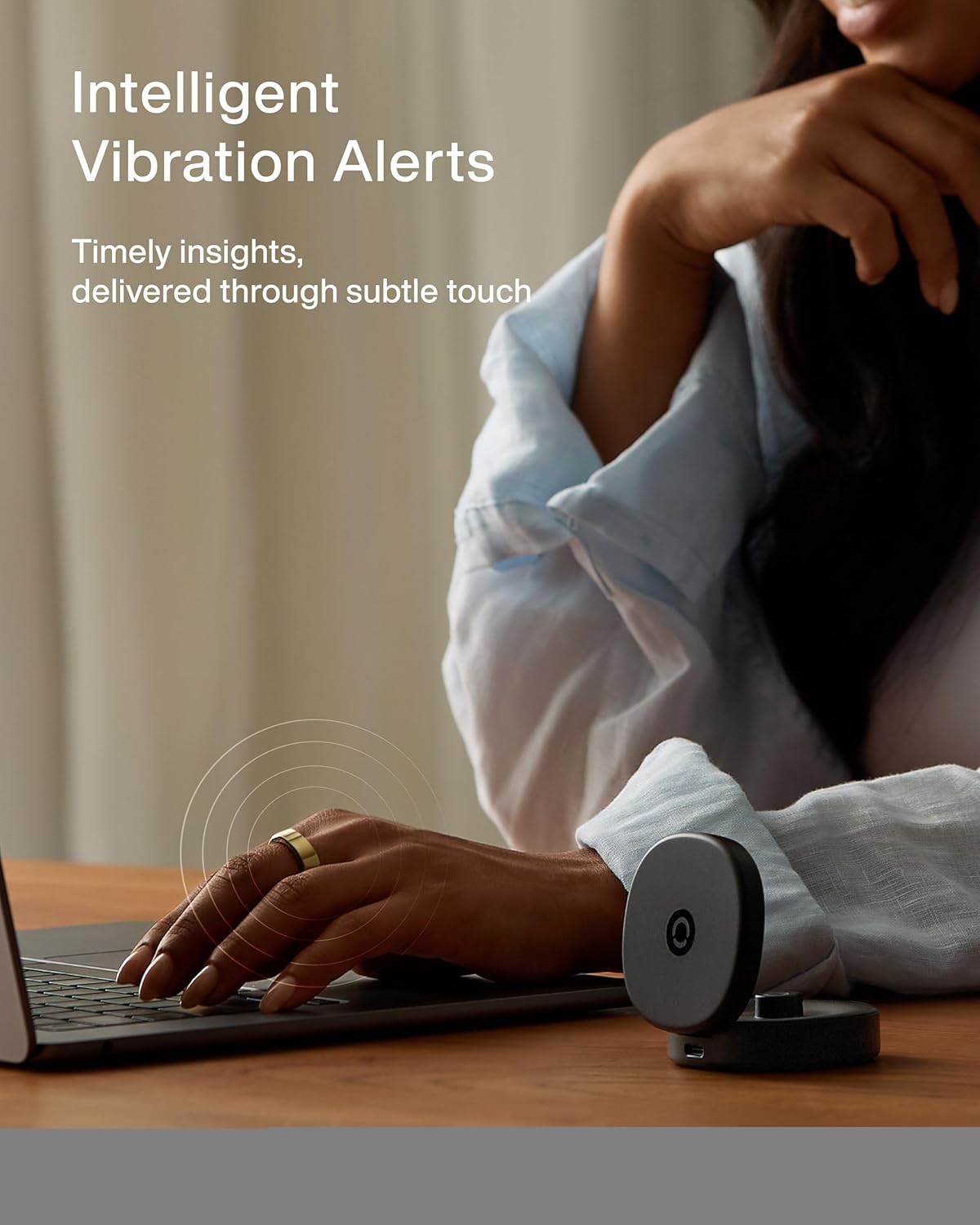
RingConn Gen 3 vibrates for health alerts, not phone notifications. Here's what the vibration feature actually covers and common misconceptions.
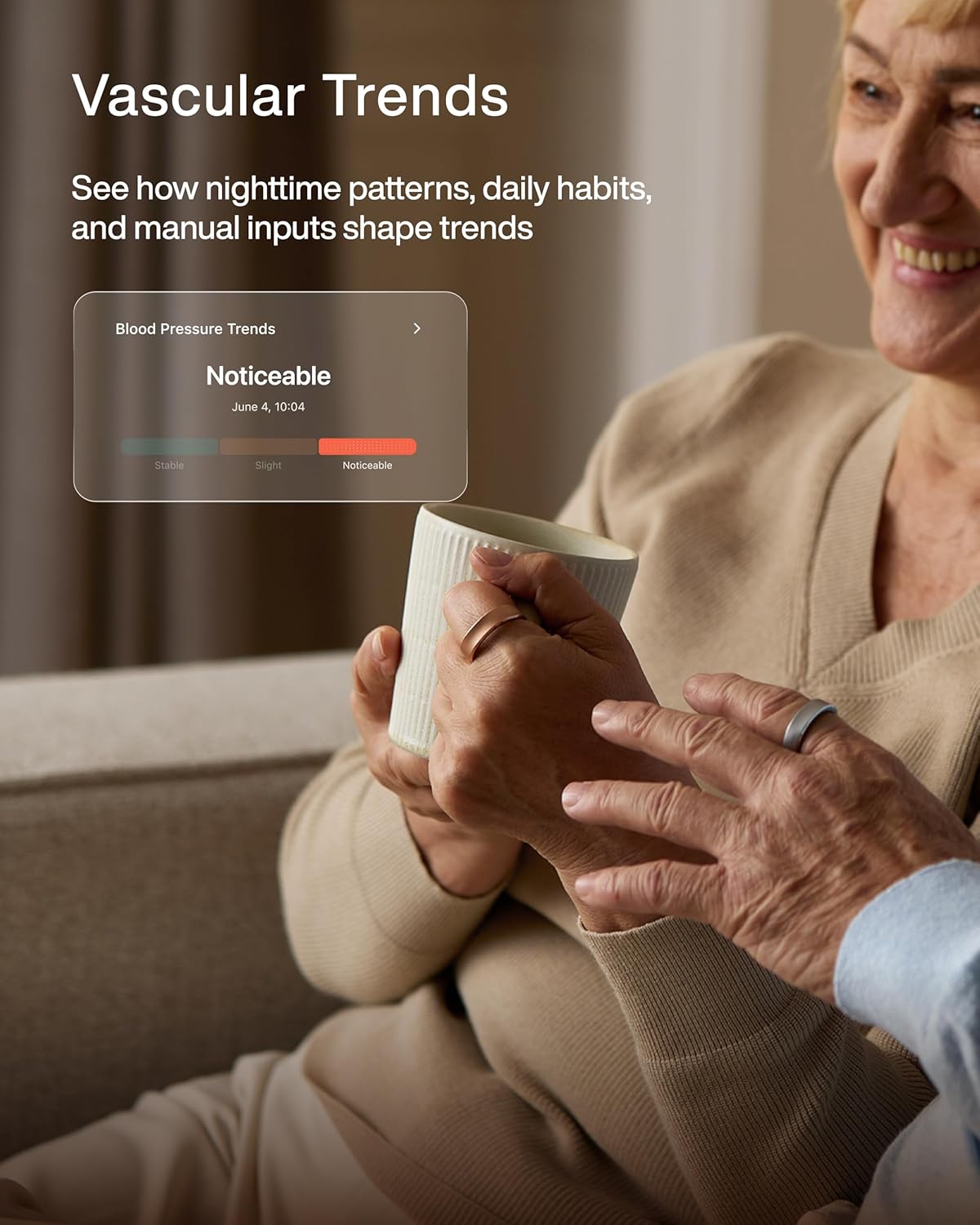
RingConn Gen 3 tracks nighttime blood pressure trends. It's not a medical device, but useful for long-term pattern tracking. Here's what you need to know.
RingConn Gen 3 uses a different sizing system than Gen 2. Your old ring size won't carry over. Order the free sizing kit first.
Gen 3 costs $50 more but adds vibration alerts, blood pressure trends, and longer battery. Here's when the upgrade makes worth it.
RingConn Gen 3 pre-order discount ends May 28, 2026. Is $314 worth it, or should you wait for reviews?
If you want low-friction sleep and recovery trends, RingConn is often the simpler choice. If you want a different ecosystem feel, Ultrahuman may fit.
If you want subscription-free simplicity, RingConn is a clean pick. If you want tight Android ecosystem integration, Samsung may appeal more.
If you want a smart ring without a subscription, RingConn is usually the better starter pick. Oura wins on app polish, but you pay monthly.
RingConn Gen 2 is a strong pick if you want comfort and no subscription. The biggest regret drivers are sizing mistakes and workout expectations.
Most accuracy debates are really about fit, baselines, and expectations. Here's what RingConn data is good for, and what it's not.
If the ring rotates at night, your readings get noisy. Use the sizing kit, pick a stable sleep fit, and avoid the 'slightly loose' mistake.