RingConn HRV Explained: What It Means and How to Use It
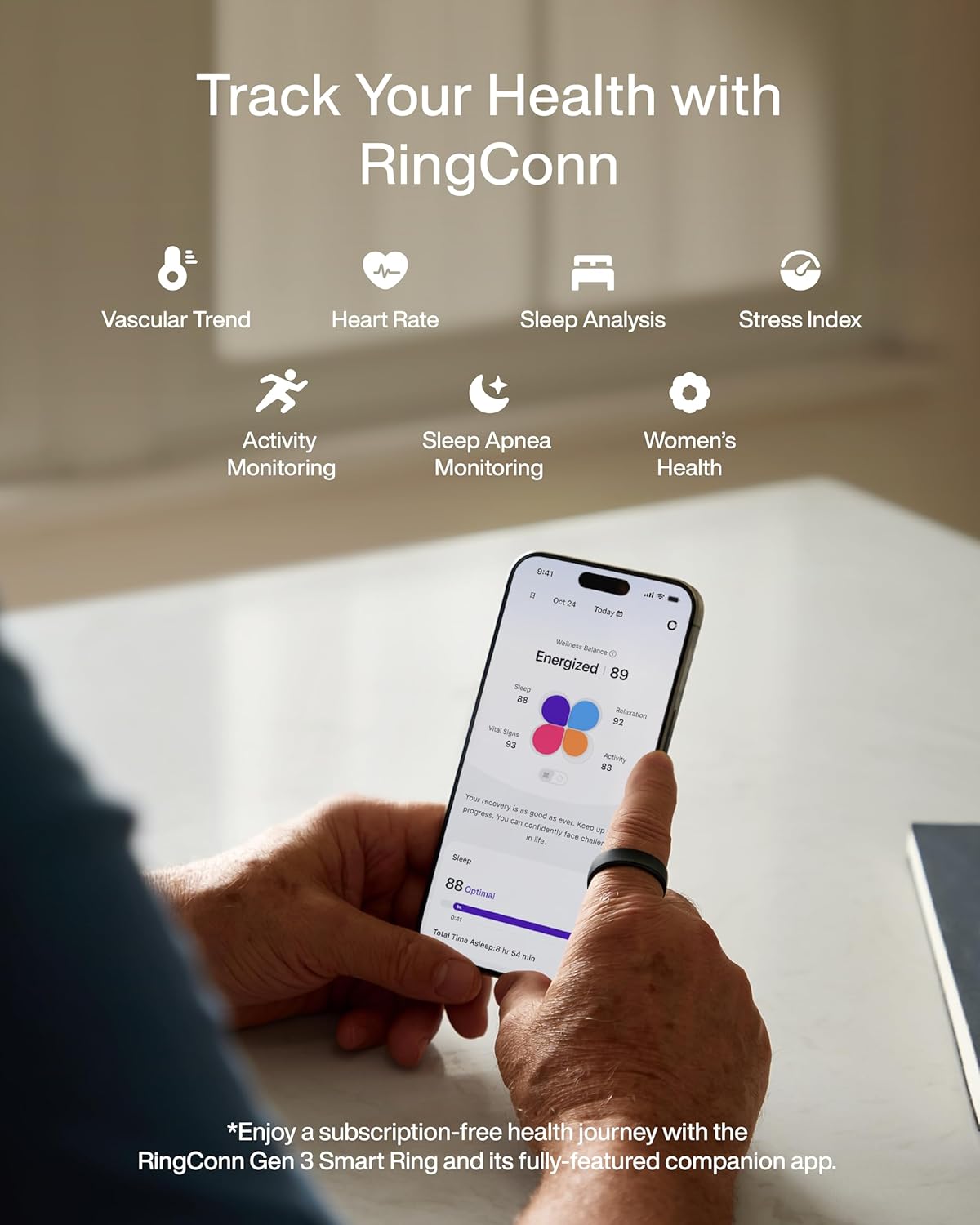
If a smart ring score feels “random”, it’s usually because the expectation is wrong. Rings are not trying to give second-by-second truth. They’re trying to give trend-level insight with minimal friction.
What HRV is useful for
- Detecting trend-level recovery changes over time
- Spotting patterns after travel, alcohol, illness, overtraining
HRV is one of the most reliable metrics in the RingConn accuracy guide — as long as you look at 7-day averages, not single nights.
What HRV is bad for
- Judging your entire day from one number
- Comparing yourself to other people
Note that heart rate accuracy during workouts is a separate issue — HRV is measured at rest, so exercise noise doesn’t affect it.
The most common misuse
People see one low HRV morning and assume something is “wrong”. In reality, HRV is noisy day-to-day. Look at the 7-day direction. The same principle applies to sleep tracking accuracy — trends beat single data points.
Tiny honesty
Some people become more anxious after tracking HRV. If numbers make you spiral, stop checking daily. On the other hand, if you’re interested in how the RingConn Gen 3 captures these metrics, it now also adds blood pressure trends to the picture.
What to read next (pick your path)
If you’re deciding what to buy:
If you want cleaner data:
If workouts matter: