Why Smart Rings Fail During Workouts (And What to Use Instead)
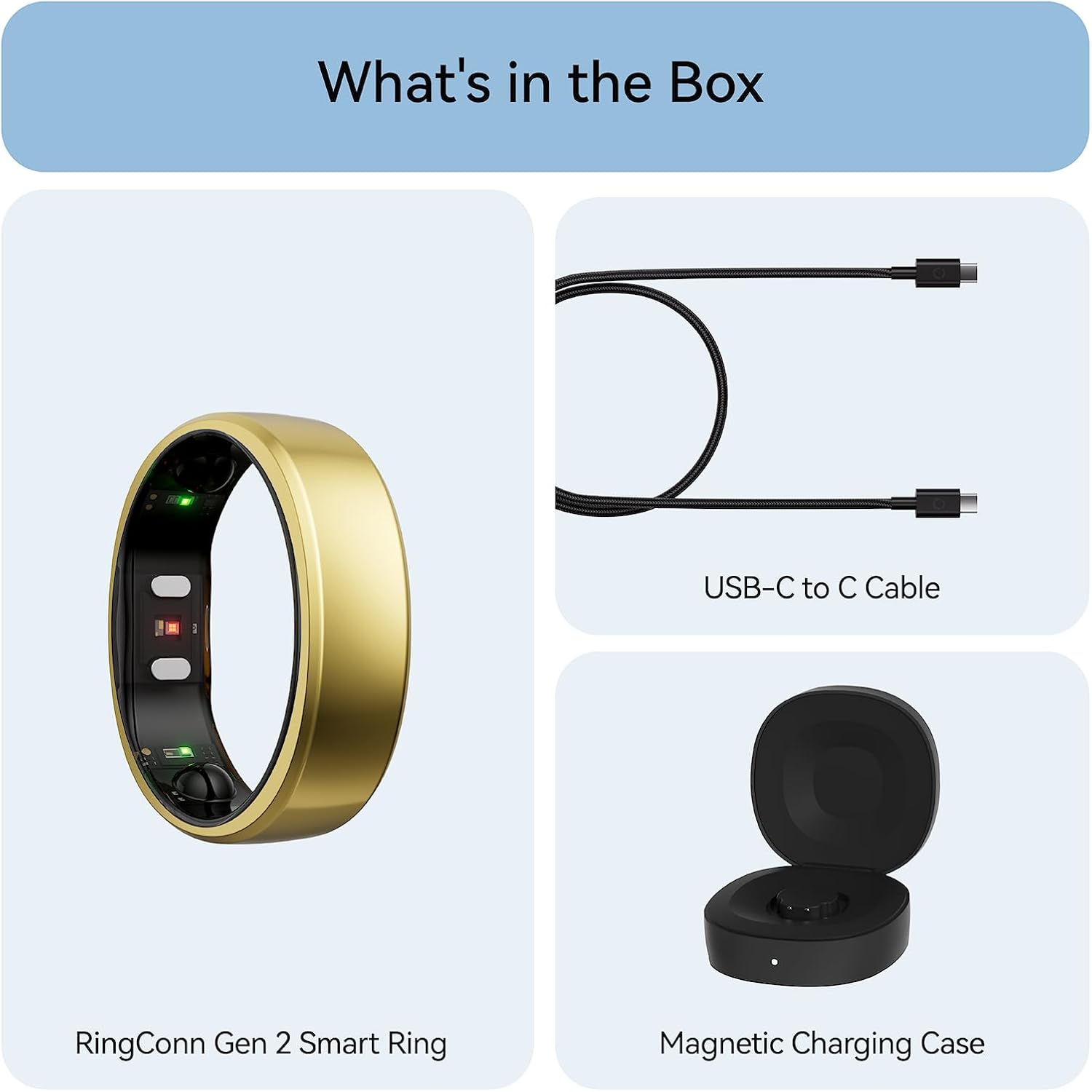
If a smart ring score feels “random”, it’s usually because the expectation is wrong. Rings are not trying to give second-by-second truth. They’re trying to give trend-level insight with minimal friction. Even the RingConn Gen 3 — the newest model — doesn’t change this fundamental limitation.
The short answer
Rings can be great for sleep and recovery trends, but workouts are a hostile environment for ring sensors. For RingConn-specific data, see RingConn heart rate accuracy during workouts.
Why the data gets messy
- Grip pressure changes blood flow and sensor contact
- Sweat + motion introduces optical noise
- Rapid HR changes are harder to capture on the finger
- Rings are designed for comfort, not tight athletic strapping
Mini: how sizing affects data accuracy
Smart rings use optical sensors. Those sensors need stable skin contact. When the ring is slightly loose:
- small gaps let ambient light leak in
- the ring rotates, so the sensor reads different spots
- movement changes pressure, which changes the signal
- sleep makes it worse because you roll and flex for hours
Fit is not just comfort, fit is signal quality. Use the RingConn sizing guide to minimize sensor issues.
Expectation calibration
If you expect:
- second-by-second live HR during exercise
- accurate calorie burn for every workout
- perfect interval tracking
…you’ll be disappointed. That’s a watch/strap job. The RingConn accuracy guide breaks down which metrics are reliable and which aren’t.
What to use instead (simple)
- For best HR: chest strap
- For workouts + convenience: a smartwatch (see RingConn vs Apple Watch for sleep if you’re comparing the two)
- Keep the ring for sleep and recovery trendlines
What to read next (pick your path)
If you’re deciding what to buy:
If you want cleaner data:
If workouts matter: