
RingConn Gen 3 review: what's new, what's the same, and who should upgrade
RingConn Gen 3 adds vibration alerts and blood pressure trends, but the core experience is similar to Gen 2. Here's who should upgrade and who should stick with Gen 2.
The Smart Ring Lab helps buyers compare RingConn, Oura, Ultrahuman, Samsung Galaxy Ring, and other smart rings by subscription cost, battery life, sizing, comfort, and real-world accuracy.
Smart rings are best for passive sleep, recovery, and wellness trend tracking. They are not medical devices, and they are usually weaker than chest straps or sports watches for workout heart-rate accuracy.
Start with the comparison guides if you are choosing between brands. Start with the RingConn hub if you want a no-subscription smart ring with long battery life.
RingConn Gen 3 adds vibration alerts and blood pressure trends, but the core experience is similar to Gen 2. Here's who should upgrade and who should stick with Gen 2.
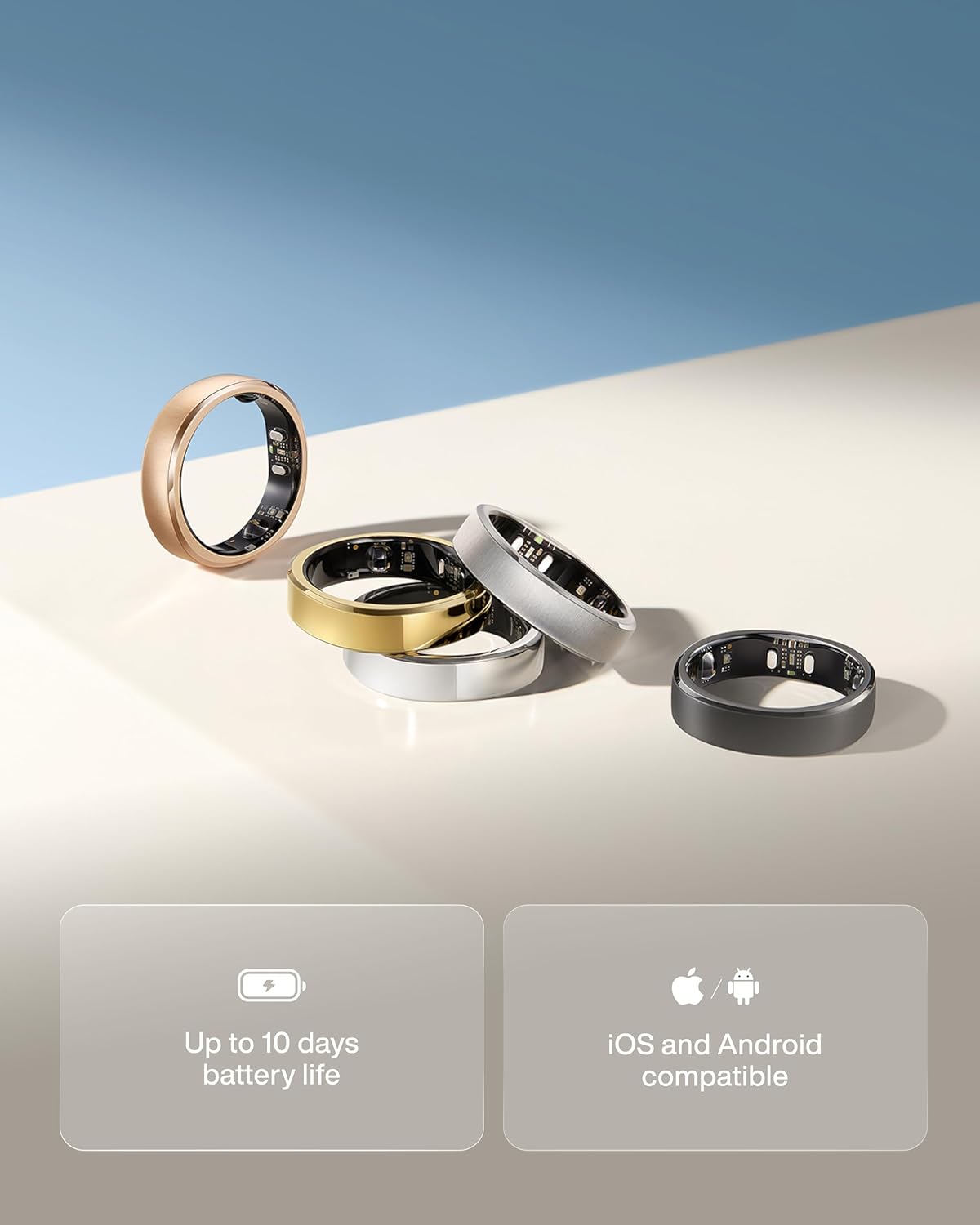
RingConn Gen 3 battery can last up to 17 days based on user reports. Here's what affects battery life and how to maximize it.
RingConn offers up to $70 trade-in discount for Gen 1, Gen 2, or Gen 2 Air owners upgrading to Gen 3. Here's how it works.
RingConn Gen 3 vibrates for health alerts, not phone notifications. Here's what the vibration feature actually covers and common misconceptions.
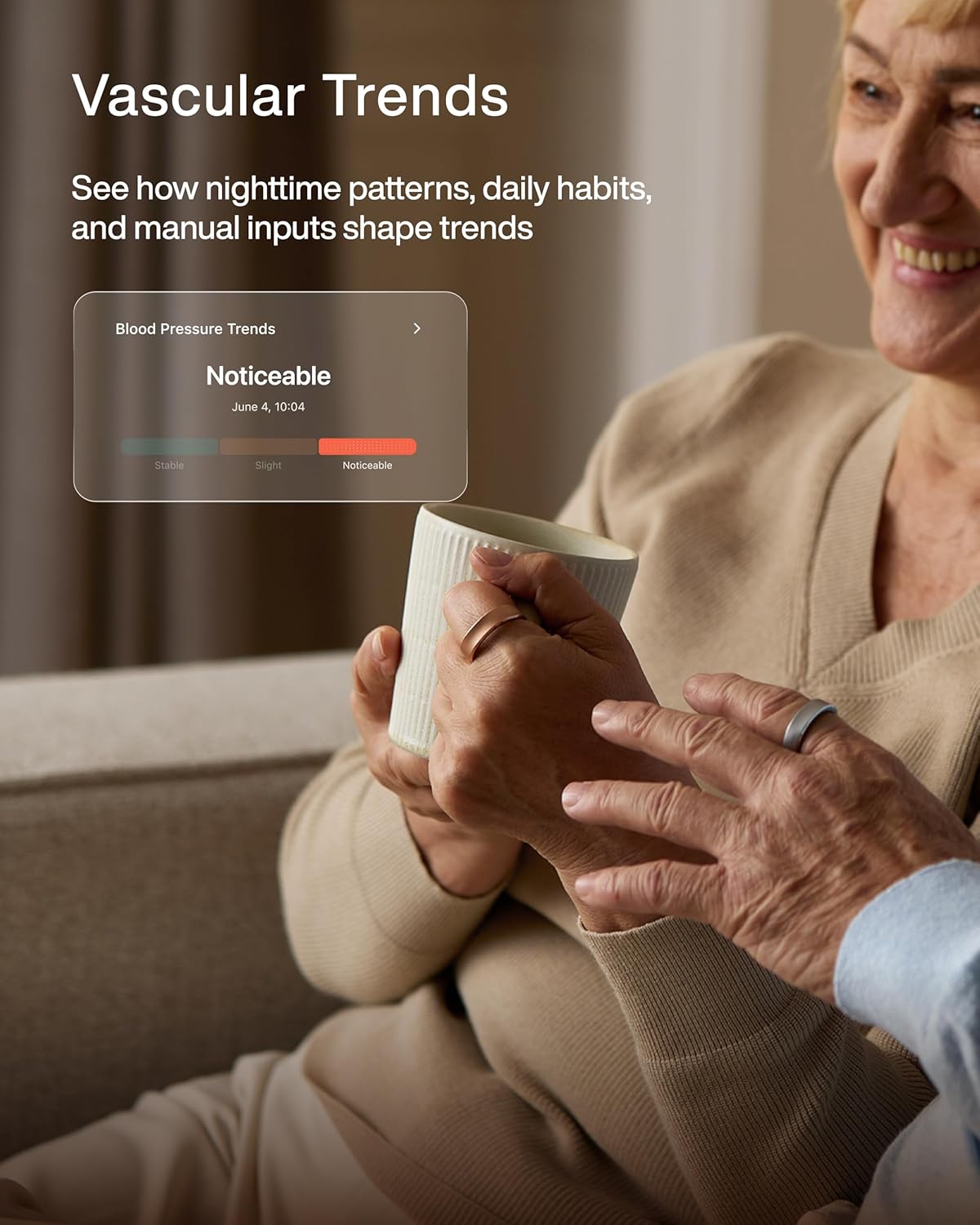
RingConn Gen 3 tracks nighttime blood pressure trends. It's not a medical device, but useful for long-term pattern tracking. Here's what you need to know.
RingConn Gen 3 uses a different sizing system than Gen 2. Your old ring size won't carry over. Order the free sizing kit first.
Gen 3 costs $50 more but adds vibration alerts, blood pressure trends, and longer battery. Here's when the upgrade makes worth it.
RingConn Gen 3 pre-order discount ends May 28, 2026. Is $314 worth it, or should you wait for reviews?
If you want low-friction sleep and recovery trends, RingConn is often the simpler choice. If you want a different ecosystem feel, Ultrahuman may fit.