Can You Shower with RingConn? Waterproof & Water Resistance Guide (2026)
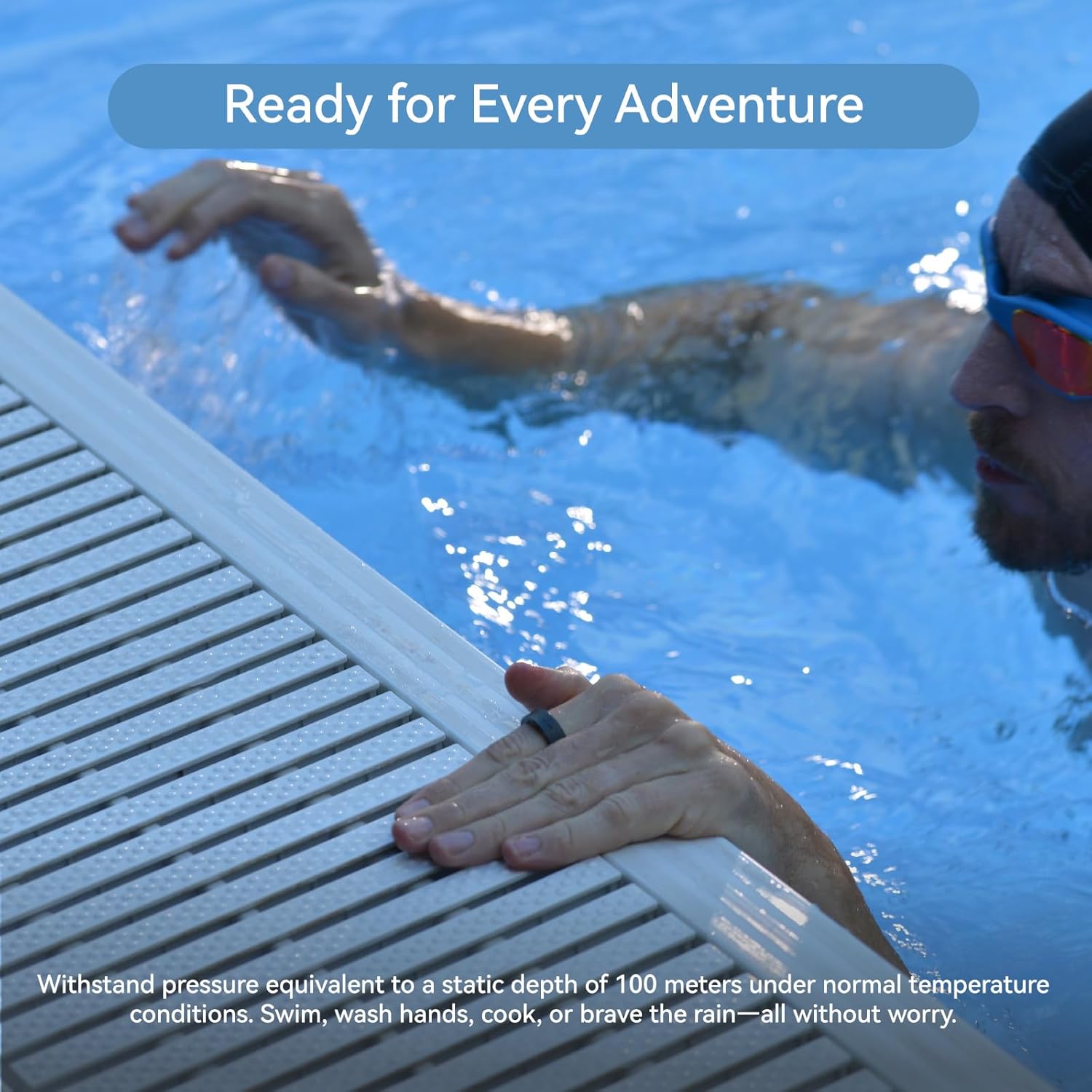
RingConn Gen 3 (and Gen 2) are rated 100m water resistant (10ATM). This is the same rating as most dive watches and the Oura Ring 4. For a full comparison of what changed between generations, see our Gen 3 vs Gen 2 guide.
In practical terms: yes, you can shower, swim, and get caught in the rain without worrying.
But “waterproof” and “do anything around water” are different things. Here’s what’s actually safe and what to watch out for.
Water resistance by activity
| Activity | Safe? | Notes |
|---|---|---|
| Hand washing | Yes | No concerns |
| Showering | Yes | Soap buildup in sensor groove possible over time |
| Pool swimming | Yes | Ensure snug fit — loose rings can slip off in water |
| Ocean swimming | Yes | Rinse with fresh water after (salt residue) |
| Snorkeling | Yes | Surface level, within rating |
| Hot tub | Not recommended | Heat degrades seals over time |
| Sauna | Not recommended | Extreme heat (60–100°C) is outside spec |
| Diving (scuba) | No | Pressure beyond 10ATM is not rated |
| Water slides/jets | Caution | High-pressure water can force past seals |
The real risks (it’s not water — it’s heat and chemicals)
Water at normal temperatures is fine. The actual risks are:
1. Heat Hot tubs (40°C+) and saunas (60–100°C) stress the rubber seals that keep water out. One sauna session probably won’t kill your ring. Regular exposure over months may compromise the seal.
2. Chemicals Chlorine, hot tub chemicals, soap, shampoo, sunscreen — these can degrade the seal material and cause residue buildup around the sensor.
3. Loose fit in water Cold water shrinks your fingers slightly. If your ring is already borderline loose, swimming is where rings slip off and sink. This is the most common “water-related” loss — not water damage, but losing the ring entirely. Make sure your sizing is correct before swimming.
4. Not drying the charging contacts Water itself doesn’t damage the ring, but charging while the contacts are wet can cause corrosion. Always dry the ring before placing it in the charging case.
Best practices
- Shower: Safe. Rinse soap residue occasionally. Some users remove it to prevent buildup.
- Pool: Safe. Make sure fit is snug. Consider sizing down if you swim regularly.
- Ocean: Safe. Rinse with fresh water after. Salt can build up in crevices.
- Hot tub / sauna: Remove the ring. Not worth the long-term seal risk.
- After water: Dry the inside of the ring and charging contacts before charging.
How RingConn compares to other rings
| Ring | Water resistance | Safe for swimming? |
|---|---|---|
| RingConn Gen 3 | 100m (10ATM) | Yes |
| RingConn Gen 2 | 50m (5ATM) | Yes (shallow swimming) |
| Oura Ring 4 | 100m (10ATM) | Yes |
| Samsung Galaxy Ring | 100m (10ATM) | Yes |
| Ultrahuman Ring Air | 100m (10ATM) | Yes |
All current-gen smart rings handle normal water exposure. The differences are in heat tolerance and long-term seal quality, which are hard to test without years of use.
Gen 2 vs Gen 3 water resistance
| Feature | RingConn Gen 2 | RingConn Gen 3 |
|---|---|---|
| Rating | 5ATM (50m) | 10ATM (100m) |
| Showering | Yes | Yes |
| Pool swimming | Yes | Yes |
| Ocean swimming | Yes (shallow) | Yes |
| Scuba diving | No | No |
| Seal type | Standard | Improved |
Gen 3’s upgrade from 5ATM to 10ATM provides a wider safety margin. For daily shower and pool use, both are fine. The difference matters for more adventurous water activities.
Can you shower with RingConn Gen 2? Yes. 5ATM covers showering comfortably. The 50m rating handles normal water pressure without issue.
Can you shower with RingConn Gen 3? Yes. 10ATM gives you even more headroom. There’s no practical difference between Gen 2 and Gen 3 for shower use.
Long-term care tips
Water resistance degrades over time. Here’s how to maintain it:
- Rinse after saltwater or chlorine — residue corrodes seals slowly
- Don’t press buttons underwater (RingConn has none, so you’re fine)
- Avoid rapid temperature changes — jumping from a hot tub into cold water stresses seals
- Dry before charging — wet charging contacts can corrode
- Check for visible damage — cracks or chips in the titanium could compromise the seal
If you notice condensation inside the ring (visible fog under the LED sensors), contact RingConn support immediately. This indicates a seal failure.
Frequently asked questions
Can I shower with RingConn? Yes. 100m water resistance covers showering. Some users remove it to prevent soap buildup.
Can I swim with RingConn? Yes. Pool and ocean swimming are fine. Make sure sizing is snug to avoid slipping off.
Can I wear RingConn in a sauna? Not recommended. High heat stresses seals and electronics over time. Remove it before entering.
What does 100m water resistance mean? Pressure equivalent to 100m depth (10ATM). Covers swimming and showering. Not rated for actual deep diving.
Will water damage void my warranty? Normal use (shower, swim) should not. Sauna/chemical damage may not be covered.
Check the RingConn Gen 3 on Amazon →