Heart Rate Spike During Sleep: Causes, Normal vs Abnormal, When to Worry
Short answer: Heart rate spikes of 10-20 bpm during REM sleep are normal — your brain is active and your heart responds. Spikes over 30 bpm, especially if they coincide with oxygen drops or wake you up, may indicate sleep apnea, stress, or other issues worth investigating.
Normal heart rate patterns during sleep
Your heart rate naturally varies across sleep stages:
| Sleep stage | Average heart rate | Pattern |
|---|---|---|
| Wake/Light (N1-N2) | 55-70 bpm | Variable, decreases as you fall deeper |
| Deep sleep (N3) | 45-60 bpm | Lowest, most stable |
| REM sleep | 60-80 bpm | Spikes 10-20 bpm, more variable |
REM sleep spikes are normal. During REM, your brain activity resembles wakefulness, causing temporary heart rate increases. You cycle through REM 4-6 times per night (every 90 minutes), so seeing 4-6 brief spikes on your overnight heart rate graph is expected.
What causes abnormal heart rate spikes during sleep
1. Sleep apnea (most common serious cause)
Obstructive sleep apnea causes breathing pauses. When oxygen drops, your body triggers a stress response:
- Heart rate spikes 20-40 bpm
- You partially wake (often without realizing it)
- Pattern repeats 5-30+ times per hour in severe cases
Red flags:
- Spikes coincide with SpO2 dips below 90%
- Morning headaches, daytime fatigue
- Partner reports loud snoring or gasping
Smart rings can detect these patterns by correlating heart rate spikes with oxygen desaturation events.
2. Nightmares and sleep disturbances
Intense dreams, especially nightmares, trigger sympathetic nervous system activation. Your body thinks the threat is real.
Characteristics:
- Sharp spike (20-40 bpm) for 1-3 minutes
- Usually during REM sleep (second half of night)
- May wake you briefly
- Not accompanied by oxygen drops
Triggers: Stress, PTSD, medications (SSRIs, beta-blockers), alcohol withdrawal
3. Alcohol before bed
Alcohol suppresses REM sleep initially, then causes REM rebound in the second half of the night with exaggerated heart rate spikes.
Pattern:
- First 2-3 hours: heart rate stays elevated (10-15 bpm above baseline)
- Hours 4-6: Multiple large spikes (20-30 bpm) during fragmented REM
- Morning: poor sleep quality despite feeling “knocked out”
4. Room temperature too hot
Core body temperature must drop for quality sleep. If your room is over 70°F, your cardiovascular system works harder to cool down.
Impact:
- Elevated baseline heart rate (5-10 bpm higher all night)
- More frequent spikes during transitions between sleep stages
- Less deep sleep
Fix: Keep bedroom 65-68°F
5. Stress and cortisol
Chronic stress keeps your sympathetic nervous system on alert. Cortisol spikes during the night (normally it should be lowest) trigger heart rate increases.
Pattern:
- Elevated baseline overnight heart rate
- Multiple small spikes (10-15 bpm) throughout the night
- Low HRV (under 30ms for most people)
- Wake feeling unrefreshed
6. Caffeine or stimulants
Caffeine has a 5-6 hour half-life. Evening coffee can still affect your sleep even if you “fall asleep fine.”
Impact:
- Reduced deep sleep
- More time in light sleep (N1-N2)
- More frequent heart rate variability throughout the night
7. Underlying heart conditions
Atrial fibrillation, SVT (supraventricular tachycardia), or other arrhythmias can cause sudden, sustained heart rate spikes during sleep.
Red flags:
- Spikes over 100 bpm that last 5+ minutes
- Irregular pattern (not aligned with REM cycles)
- Accompanied by chest discomfort or palpitations
- Happens multiple nights per week
Normal vs. concerning spikes: visual guide
Normal REM spike:
- Peak: 75 bpm (baseline 58 bpm) = 17 bpm spike ✅
- Duration: 5-15 minutes
- Frequency: 4-6 times per night
- SpO2: stays 95%+ throughout
Concerning apnea spike:
- Peak: 95 bpm (baseline 58 bpm) = 37 bpm spike ⚠️
- Duration: 1-2 minutes, repeats every 3-5 minutes
- Frequency: 20-30+ per night
- SpO2: drops to 88-92% during spike
Stress/anxiety pattern:
- Baseline elevated all night: 68 bpm (normal baseline 58)
- Frequent small spikes: 8-12 events, 10-15 bpm each
- Low overnight HRV
- Restlessness score high
How to track heart rate spikes with a smart ring
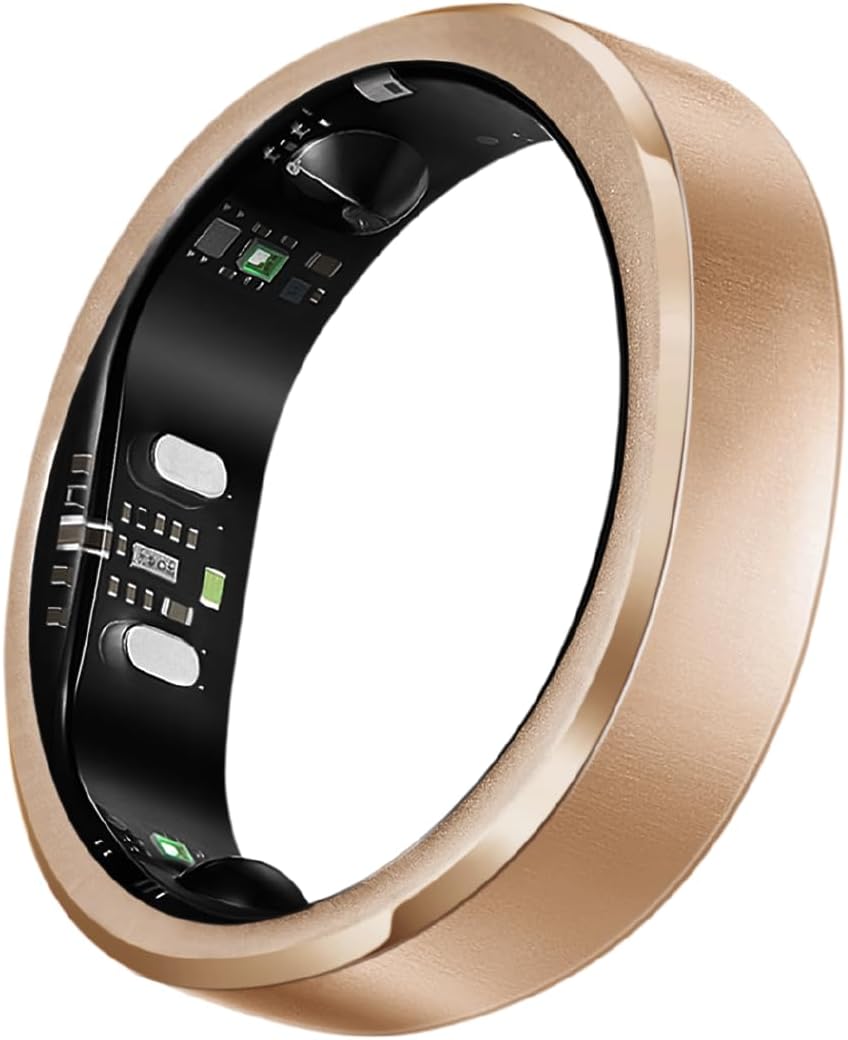
Smart rings track continuous overnight heart rate and show you the full picture over weeks.
What to look for in your data:
RingConn Gen 3 and Oura Ring 5 both provide:
- Overnight heart rate graph with sleep stage overlay
- SpO2 trends (blood oxygen)
- Restlessness/wake events
- HRV (low HRV = autonomic stress)
Analysis protocol:
- Look at 7-14 nights of data (not just one night)
- Count spike events: how many per night?
- Check timing: during REM (normal) or non-REM (concerning)?
- Check SpO2: does it drop during spikes?
- Check frequency: increasing over weeks?
Pattern recognition:
- 4-6 spikes aligned with REM cycles + normal SpO2 = likely normal
- 10+ spikes per night + SpO2 dips = likely sleep apnea → see doctor
- Elevated baseline all night + low HRV = likely stress → work on sleep hygiene
When to see a doctor
Seek medical evaluation if:
- Spikes exceed 100 bpm regularly (multiple times per week)
- Spikes coincide with SpO2 drops below 90% (potential sleep apnea)
- You wake gasping for air or with heart pounding
- Daytime symptoms: excessive fatigue, morning headaches, difficulty concentrating
- Spikes are increasing in frequency over weeks
- Personal or family history of heart disease
Bring your smart ring data to the appointment — 2 weeks of overnight heart rate + SpO2 trends give your doctor far more information than a single daytime ECG.
What to do about sleep heart rate spikes
If REM-related (normal):
- Nothing needed — this is healthy sleep architecture
- Avoid misinterpreting your data as a problem
If stress-related:
- Improve sleep hygiene (consistent schedule, dark room, cool temp)
- Add evening wind-down routine (no screens 1-2 hours before bed)
- Consider magnesium glycinate (300-400mg before bed)
- Practice stress management (meditation, breathwork)
If alcohol-related:
- Stop drinking 3-4 hours before bed (minimum)
- Or eliminate alcohol on nights you want quality sleep
- Track improvement with your ring
If apnea-suspected:
- Schedule sleep study with your doctor
- Elevate head of bed 30 degrees
- Lose weight if BMI over 25 (even 5-10 lbs helps)
- Avoid sleeping on back
If temperature-related:
- Cool bedroom to 65-68°F
- Use breathable sheets
- Consider a fan or AC
The bottom line
Most heart rate spikes during sleep are normal REM-related increases. The pattern matters more than individual spikes. If your smart ring shows 4-6 brief spikes per night aligned with REM cycles and your SpO2 stays above 94%, you’re fine.
Red flags are frequent spikes (10+ per night), large spikes (30+ bpm), oxygen desaturation, or waking up. Those patterns warrant medical investigation — print your 2-week smart ring data and bring it to your doctor.