Best Bedtime Snacks for Sleep: What Actually Helps You Fall Asleep Faster
Short answer: Best bedtime snacks are small (under 200 cal), eaten 30-60 min before bed, and combine tryptophan + carbs or magnesium-rich foods. Top choices: almonds, banana with almond butter, oatmeal, kiwi, tart cherry juice. Avoid large portions, high-fat, or spicy foods.
Why bedtime snacks can help sleep
A light, strategic snack before bed can improve sleep by:
- Preventing midnight hunger that wakes you at 2-3am
- Stabilizing blood sugar through the night (prevents cortisol spikes)
- Delivering sleep-promoting nutrients (tryptophan → serotonin → melatonin)
- Providing magnesium that relaxes muscles and calms nervous system
The key: Small portion, right foods, right timing.
Best bedtime snacks backed by research
| Snack | Why it works | Serving size | Timing |
|---|---|---|---|
| Almonds | High magnesium, tryptophan, healthy fats | 15-20 almonds (~160 cal) | 30-60 min before bed |
| Banana + almond butter | Carbs + tryptophan combo, magnesium, potassium | 1 small banana + 1 tbsp AB (~180 cal) | 30-60 min before bed |
| Tart cherry juice | Natural melatonin source | 8 oz (~140 cal) | 60 min before bed |
| Oatmeal | Complex carbs, melatonin, magnesium | ½ cup cooked (~150 cal) | 60 min before bed |
| Kiwi | Serotonin precursor, antioxidants | 2 medium kiwis (~100 cal) | 60 min before bed |
| Turkey slices + whole grain | High tryptophan + carbs for absorption | 2 oz turkey + 1 slice bread (~150 cal) | 30-60 min before bed |
| Greek yogurt + berries | Protein, calcium (aids melatonin), antioxidants | ¾ cup yogurt + ½ cup berries (~150 cal) | 30-60 min before bed |
| Chamomile tea + honey | Apigenin (calming), small glycemic boost | 1 cup tea + 1 tsp honey (~25 cal) | 30-60 min before bed |
The science behind sleep-promoting foods
1. Tryptophan pathway
Tryptophan (amino acid) → Serotonin → Melatonin
Best sources: Turkey, eggs, cheese, nuts, seeds
The carb trick: Eating carbs with tryptophan causes insulin spike, which clears competing amino acids from bloodstream, allowing more tryptophan to cross into brain.
Example: Turkey alone = less effective. Turkey + bread = tryptophan boost.
2. Magnesium
Magnesium activates GABA receptors (calming neurotransmitter) and regulates melatonin.
Best sources: Almonds, pumpkin seeds, spinach, dark chocolate (small amount)
Research: 500mg magnesium supplement improves sleep quality. A handful of almonds (~75mg) helps.
3. Natural melatonin
Some foods contain melatonin directly:
- Tart cherries (highest)
- Walnuts
- Tomatoes
- Oats
Study: 8 oz tart cherry juice 2x daily increased sleep time by 84 minutes over 2 weeks.
4. Complex carbs
Stable blood sugar through the night prevents cortisol spikes that wake you at 3am.
Best: Oatmeal, whole grain bread, sweet potato
What NOT to eat before bed
| Food type | Why it disrupts sleep |
|---|---|
| High-fat foods (pizza, burgers, fried food) | Slows digestion, causes reflux, reduces deep sleep |
| Spicy food | Raises body temperature, causes heartburn |
| Large portions (dinner-sized meals) | Digestion keeps body in alert state, reduces deep sleep by 10-15% |
| Chocolate | Contains caffeine and theobromine (stimulants) |
| Alcohol | Suppresses REM sleep, causes fragmented sleep in second half of night |
| Citrus fruits | High acidity → reflux risk |
| Raw vegetables | Hard to digest, gas/bloating |
Timing matters: when to eat your bedtime snack
30-60 minutes before bed is the sweet spot:
- Too early (2+ hours): You’ll be hungry again before sleep
- Too late (10 minutes): Digestion interferes with sleep onset
- Liquids: 60-90 min before bed to avoid bathroom trips
How to test what works for you
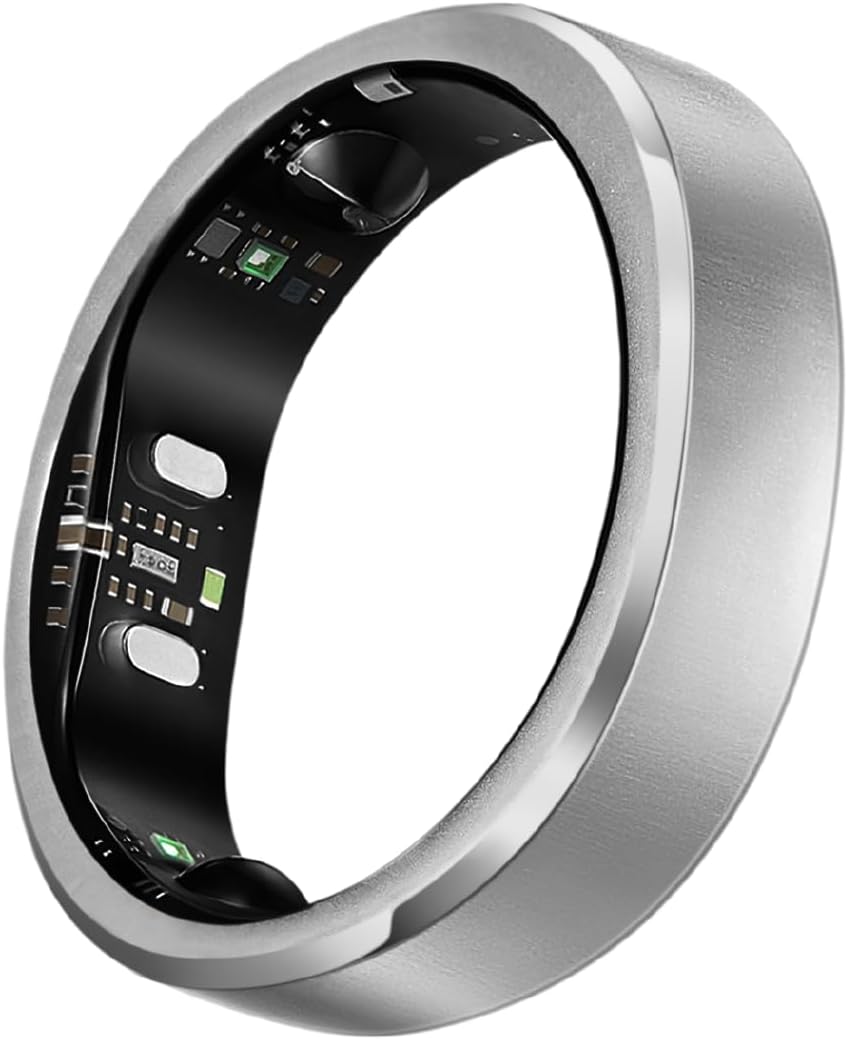
Everyone’s digestion and sleep response is different. Use your smart ring to run experiments:
Protocol:
- Week 1 (baseline): No bedtime snack, track sleep quality
- Week 2: Test snack A (e.g., almonds), track sleep quality
- Week 3: Test snack B (e.g., banana + almond butter), track sleep quality
- Compare: Which gave you best deep sleep % and sleep efficiency?
What to track:
- Sleep efficiency (time asleep / time in bed)
- Deep sleep % (aim for 15-25%)
- Sleep latency (time to fall asleep)
- Number of wake-ups
Portion control guidelines
Too much defeats the purpose. Keep bedtime snacks under 200 calories:
- Under 150 cal: Optimal — won’t overburden digestion
- 150-200 cal: Acceptable if genuinely hungry
- Over 200 cal: Likely to disrupt sleep (body diverts energy to digestion)
Exception: If you ate dinner early (5-6pm) and going to bed at 11pm, a slightly larger snack (250 cal) is fine.
Special cases
If you’re an athlete: Post-evening-workout window (within 2 hours), prioritize protein + carbs for recovery, then switch to sleep-focused snack 30-60 min before bed.
If you have acid reflux: Avoid all food 3 hours before bed. If hungry, stick to plain oatmeal or banana — lowest reflux risk.
If you’re trying to lose weight: A 100-150 cal sleep snack won’t sabotage weight loss if it improves sleep quality (poor sleep increases hunger hormones the next day by 20-30%).
The bottom line
A strategic bedtime snack can help you fall asleep faster and stay asleep longer — but only if it’s small, timed right, and contains sleep-promoting nutrients. Almonds are the easiest choice (grab and go, no prep). Tart cherry juice has the strongest research backing. Experiment for 2-3 weeks and use your smart ring data to see what actually improves your sleep vs. what just sounds good.