How to Improve Heart Rate Recovery: 7 Evidence-Based Methods That Work
Short answer: Improve heart rate recovery through consistent aerobic training (Zone 2-3, 3-4x/week), weekly HIIT sessions, 7-9 hours quality sleep, proper hydration, and stress management. Track progress with a wearable — most people improve 5-15 bpm in 8-12 weeks.
Why heart rate recovery matters
Heart rate recovery (HRR) measures how fast your heart rate drops in the first 1-2 minutes after you stop exercising. It’s a direct window into your autonomic nervous system health:
- Fast recovery (20-30+ bpm drop): Your parasympathetic nervous system activates quickly, signaling good cardiovascular fitness
- Slow recovery (under 12 bpm drop): Your sympathetic nervous system stays dominant too long, indicating poor fitness or autonomic dysfunction
Research shows HRR predicts cardiovascular disease risk and all-cause mortality better than resting heart rate or even VO2 max. Improving it reduces long-term health risks.
Method 1: Consistent aerobic training (most effective)
Aerobic exercise strengthens your parasympathetic nervous system. Studies show 8-12 weeks of regular cardio improves HRR by 5-15 bpm on average.
Protocol:
- Frequency: 3-4 sessions per week
- Duration: 30-60 minutes per session
- Intensity: Zone 2-3 (conversational pace, 60-75% max HR)
- Activities: Running, cycling, swimming, rowing, brisk walking
Why it works: Consistent aerobic training increases vagal tone — your body gets better at quickly switching from “fight or flight” to “rest and digest” after stress.
Expected timeline:
- Weeks 1-4: Minimal change (adaptation phase)
- Weeks 4-8: 3-5 bpm improvement
- Weeks 8-12: 5-15 bpm improvement
- Beyond 12 weeks: Continued gradual gains
Method 2: High-intensity interval training (HIIT)
HIIT specifically trains your body to recover quickly from high heart rates. Studies show adding 1-2 HIIT sessions per week to aerobic base training accelerates HRR improvement by 30-50%.
Protocol:
- Frequency: 1-2 sessions per week (not every day — you’ll overtrain)
- Work intervals: 30-60 seconds at 85-90% max HR
- Recovery intervals: 90-120 seconds easy pace
- Repeats: 6-10 cycles
- Total time: 20-30 minutes including warm-up/cool-down
Why it works: HIIT forces rapid heart rate spikes and drops, teaching your autonomic system to respond faster.
Sample workout:
- 5-minute easy warm-up
- 30 seconds hard (feel like 8/10 effort)
- 90 seconds easy recovery
- Repeat 8 times
- 5-minute cool-down
Method 3: Optimize sleep quality
Sleep is when your parasympathetic nervous system dominates and recharges. Poor sleep suppresses this recovery, slowing HRR by 5-10 bpm.
What helps:
- Duration: 7-9 hours consistently
- Consistency: Same bedtime/wake time every day (±30 min)
- Deep sleep: Aim for 15-25% of total sleep in deep stages
- Sleep hygiene: Dark room, cool temp (65-68°F), no screens 1-2 hours before bed
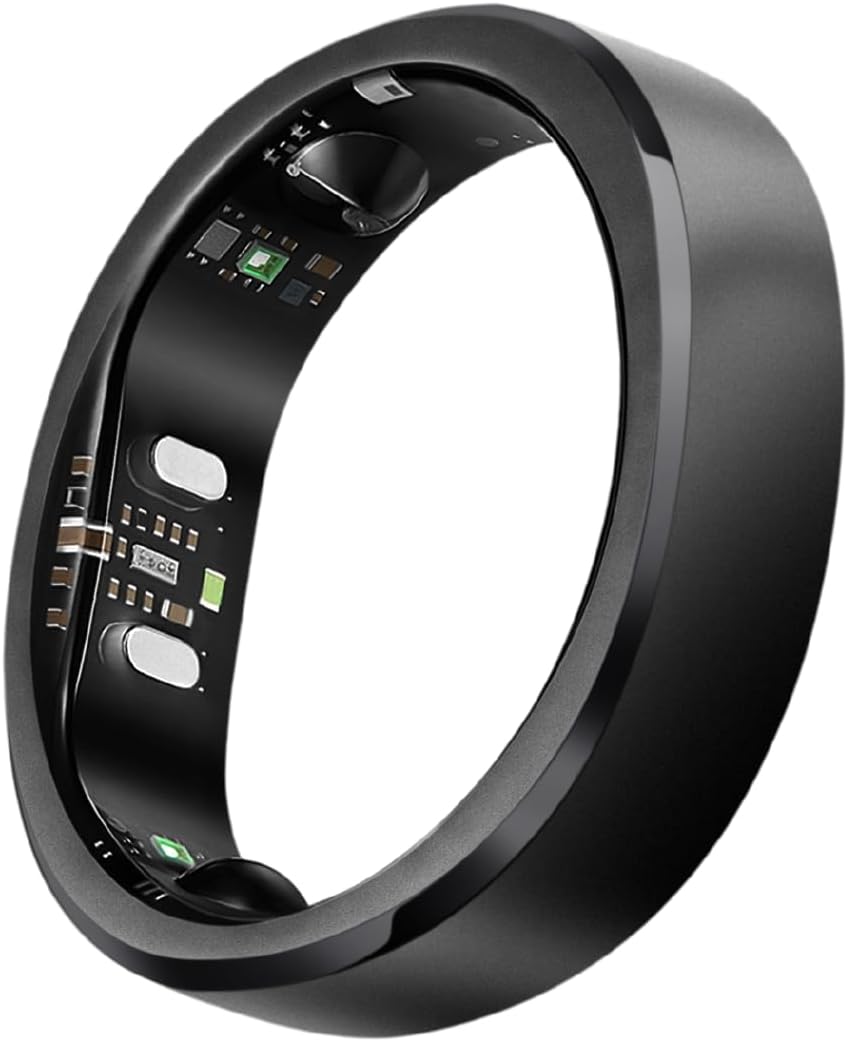
Track with a smart ring: RingConn Gen 3 or Oura Ring tracks overnight HRV and deep sleep % — both correlate directly with next-day HRR.
Expected impact: 2-3 weeks of improved sleep can boost HRR by 3-8 bpm.
Method 4: Stay hydrated
Dehydration reduces blood volume, forcing your heart to work harder and recover slower. Even mild dehydration (2% body weight loss) slows HRR by 5-10 bpm.
Hydration targets:
- Daily: 2-3 liters water (clear to pale yellow urine)
- Pre-workout: 500mL 1-2 hours before
- During long workouts: 150-250mL every 15-20 minutes
- Post-workout: 150% of fluid lost (weigh before/after to estimate)
Electrolytes matter: If you sweat heavily, add sodium (500-1000mg per liter of water during exercise) to maintain blood volume.
Method 5: Manage stress and cortisol
Chronic stress keeps your sympathetic nervous system activated, suppressing parasympathetic recovery. High cortisol directly impairs HRR.
Evidence-based stress reduction:
- Breathwork: 5-10 minutes daily (4-7-8 breathing, box breathing)
- Meditation: 10-20 minutes daily, especially before bed
- Nature exposure: 20-30 minutes outdoors daily
- Social connection: Regular time with friends/family (not screens)
Track with HRV: Chronic stress shows up as low overnight HRV before you feel it. If your HRV trends down for 3+ days, your HRR will follow.
Method 6: Avoid overtraining
Too much high-intensity exercise without recovery suppresses parasympathetic function. Overtraining can worsen HRR by 10-15 bpm.
Red flags:
- Resting heart rate 5+ bpm above baseline
- HRR suddenly drops 10+ bpm from your norm
- Poor sleep despite being tired
- Persistent muscle soreness
Fix: Take 3-7 days of complete rest or easy Zone 1 activity. Your HRR should bounce back within a week.
Method 7: Time your testing consistently
HRR varies throughout the day due to hydration, stress, caffeine, and circadian rhythm. For accurate tracking:
- Test same time of day (morning is most consistent)
- Same workout intensity (same route, same effort level)
- Fasted or 2+ hours post-meal (digestion affects HR)
- Well-rested (not after a bad sleep night)
How to track your progress
Standard HRR test:
- Exercise to 85-90% max HR (moderate-hard effort)
- Stop abruptly (don’t cool down yet)
- Note heart rate at moment you stop
- Wait exactly 1 minute standing still
- Note heart rate at 1 minute
- Calculate: (peak HR) - (1-min HR) = your HRR
Weekly tracking: Test once per week, same conditions. Chart your HRR over 8-12 weeks to see trends.
With a smart ring or watch:
- Track overnight resting heart rate (should drop as fitness improves)
- Track HRV (should increase as autonomic health improves)
- These correlate with HRR — if RHR drops and HRV rises, your HRR is likely improving even without weekly testing
Expected improvements by starting point
| Starting HRR (1-min drop) | Fitness level | Expected gain in 12 weeks | Likely new HRR |
|---|---|---|---|
| Under 8 bpm | Very poor | 10-20 bpm | 18-28 bpm |
| 8-12 bpm | Poor | 8-15 bpm | 16-27 bpm |
| 13-18 bpm | Below average | 5-10 bpm | 18-28 bpm |
| 19-25 bpm | Average | 3-7 bpm | 22-32 bpm |
| 26-30 bpm | Good | 2-5 bpm | 28-35 bpm |
| Over 30 bpm | Excellent | 0-3 bpm | 30-35+ bpm |
Deconditioned individuals see fastest gains. If your starting HRR is under 12 bpm, you can improve dramatically in just 8 weeks with consistent training.
The bottom line
Heart rate recovery isn’t genetic — it’s trainable. The combination of consistent aerobic base training, weekly HIIT, quality sleep, and hydration works for 90%+ of people.
Track your starting HRR, follow the protocol, and retest every 2-4 weeks. If you’re not improving after 8 weeks, reassess training intensity (might be too hard or too easy), sleep quality, or hydration. If HRR remains under 12 bpm despite training, see a doctor to rule out autonomic dysfunction.