Cardio Recovery Chart by Age and Gender: What's a Good Recovery Number?
Short answer: After stopping exercise, your heart rate should drop at least 15 bpm in the first minute. Over 25 bpm is excellent. Under 12 bpm signals poor cardiovascular fitness or autonomic dysfunction. Women recover 2-5 bpm slower than men on average, but fitness matters more than sex.
What is heart rate recovery (HRR)?
Heart rate recovery measures how quickly your heart rate drops after you stop exercising. It’s a direct indicator of your autonomic nervous system health:
- High recovery (fast drop): Your parasympathetic nervous system quickly activates and brings your body back to rest mode
- Low recovery (slow drop): Your sympathetic nervous system stays dominant too long, indicating poor cardiovascular fitness or dysfunction
Research shows HRR is a strong predictor of cardiovascular disease risk and all-cause mortality — more predictive than resting heart rate or even VO2 max in some studies.
Heart rate recovery chart by age and gender
Men — heart rate recovery (1-minute drop in bpm)
| Age | Excellent | Good | Average | Below Average | Poor |
|---|---|---|---|---|---|
| 20-29 | 35+ | 25-34 | 20-24 | 15-19 | <15 |
| 30-39 | 32+ | 22-31 | 18-21 | 13-17 | <13 |
| 40-49 | 30+ | 20-29 | 15-19 | 12-14 | <12 |
| 50-59 | 28+ | 18-27 | 13-17 | 10-12 | <10 |
| 60-69 | 25+ | 15-24 | 12-14 | 9-11 | <9 |
| 70+ | 22+ | 13-21 | 10-12 | 8-9 | <8 |
Women — heart rate recovery (1-minute drop in bpm)
| Age | Excellent | Good | Average | Below Average | Poor |
|---|---|---|---|---|---|
| 20-29 | 32+ | 22-31 | 18-21 | 13-17 | <13 |
| 30-39 | 30+ | 20-29 | 16-19 | 12-15 | <12 |
| 40-49 | 28+ | 18-27 | 14-17 | 11-13 | <11 |
| 50-59 | 26+ | 16-25 | 12-15 | 9-11 | <9 |
| 60-69 | 23+ | 14-22 | 11-13 | 8-10 | <8 |
| 70+ | 20+ | 12-19 | 9-11 | 7-8 | <7 |
Sources: Based on Cleveland Clinic cardiology data, ACSM guidelines, and large-cohort studies.
Critical threshold: A 1-minute HRR under 12 bpm (regardless of age or sex) is associated with significantly higher cardiovascular mortality risk.
Why women have slower recovery than men
On average, women’s heart rate recovery is 2-5 bpm slower than men at equivalent fitness levels. This is physiological, not a health disadvantage:
- Smaller heart size: Women’s hearts are 10-15% smaller on average, requiring more beats per minute at any given workload
- Hormonal differences: Estrogen affects autonomic balance and heart rate variability patterns
- Blood volume: Women have lower total blood volume relative to body weight
Important: The relative health significance is the same. A woman with a 20 bpm recovery at age 35 is as fit (relatively) as a man with 25 bpm at the same age.
How to measure your heart rate recovery
Standard protocol:
- Exercise to 85-90% of max heart rate (moderate-to-hard effort)
- Stop abruptly (don’t cool down yet)
- Note heart rate at moment you stop
- Wait exactly 1 minute (standing still, light breathing)
- Note heart rate at 1 minute
- Subtract: (peak HR) - (1-minute HR) = your HRR
Example:
- Peak heart rate at end of workout: 165 bpm
- Heart rate 1 minute later: 142 bpm
- HRR = 165 - 142 = 23 bpm (good for most ages)
2-minute recovery (optional): Some protocols also measure at 2 minutes post-exercise. A healthy 2-minute recovery is 40-60+ bpm drop from peak.
Tracking HRR with wearables
Smart rings and watches track continuous heart rate, so you can calculate HRR manually:
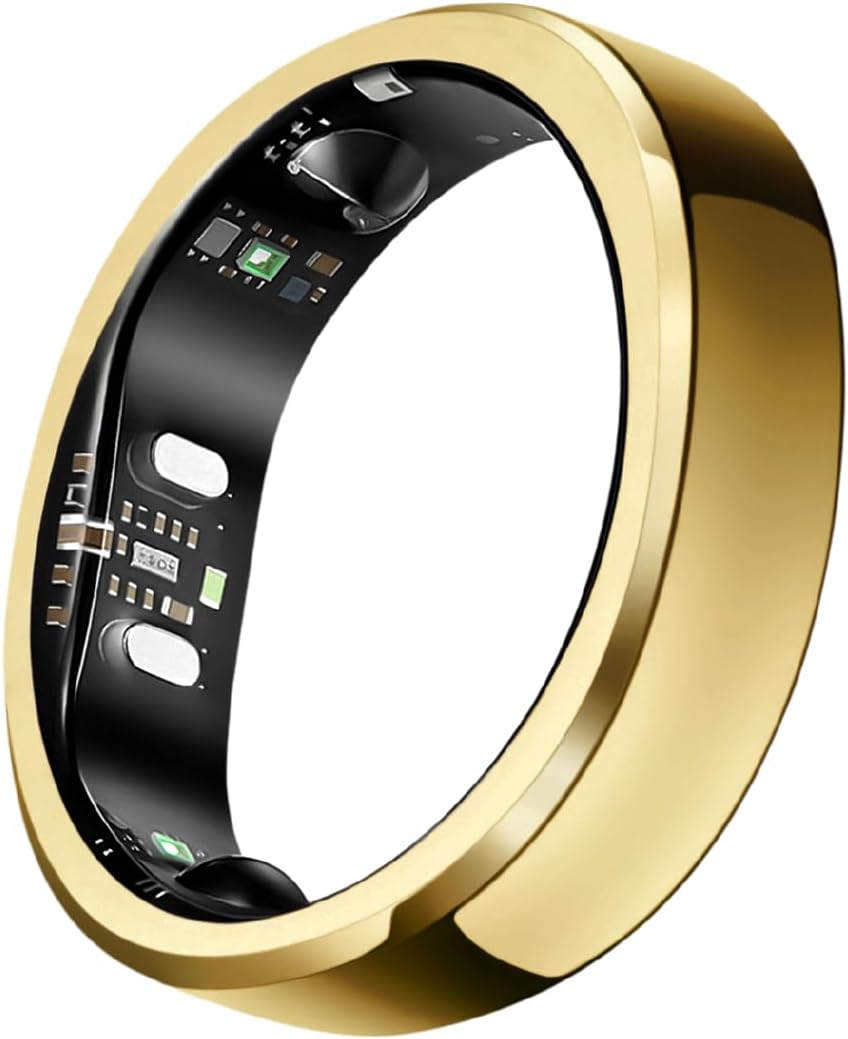
With a smart ring like RingConn Gen 3:
- Check heart rate immediately post-workout
- Note the number
- Wait 1 minute, check again
- Calculate the difference
Limitation: Smart rings sample heart rate every few seconds (not continuously), so you might miss the exact peak. For precise HRR, a chest strap or fitness watch with workout mode is more accurate.
Better use of smart ring for recovery tracking: overnight resting heart rate trends and heart rate variability (HRV). These are more reliable indicators of long-term recovery status.
What affects heart rate recovery
| Factor | Effect on HRR | How much |
|---|---|---|
| Cardiovascular fitness | Higher fitness = faster recovery | +10-20 bpm |
| Dehydration | Slows recovery | -5-10 bpm |
| Overtraining | Slows recovery significantly | -10-15 bpm |
| Age | Slows recovery | -1 bpm per decade |
| Beta-blockers | Slows recovery | Variable |
| Heat/humidity | Slows recovery | -5-10 bpm |
| Illness/infection | Slows recovery | -10-20 bpm |
The biggest modifiable factor is fitness level. A trained endurance athlete in their 50s can have better HRR than an untrained person in their 20s.
How to improve your heart rate recovery
If your HRR is in the “poor” or “below average” range, you can improve it:
1. Increase cardio fitness (most effective)
Regular aerobic exercise strengthens your parasympathetic nervous system. Studies show 8-12 weeks of consistent cardio improves HRR by 5-15 bpm on average.
Effective training:
- 3-4 sessions per week
- 30-60 minutes per session
- Moderate intensity (zone 2-3, conversational pace)
- Running, cycling, swimming, rowing
2. High-intensity interval training (HIIT)
HIIT specifically trains your body to recover quickly from high heart rates. One study showed 8 weeks of HIIT improved HRR by an average of 10 bpm.
Protocol:
- 30 seconds hard effort (85-90% max HR)
- 90 seconds easy recovery
- Repeat 6-8 times
- 2x per week
3. Improve overnight recovery
Your body’s overall stress load affects autonomic function. Better sleep and stress management improve daytime HRR.
Track with a smart ring:
- Resting heart rate overnight
- Heart rate variability (HRV)
- Deep sleep percentage
If these improve over weeks, your HRR will follow.
4. Stay hydrated
Even 2% dehydration slows HRR by 5-10 bpm. Drink 500mL water 1-2 hours before testing or workouts.
5. Avoid overtraining
Too much high-intensity exercise without recovery suppresses parasympathetic function. If your HRR suddenly drops despite training consistently, you may be overtrained.
When poor HRR means see a doctor
A persistently low HRR (under 12 bpm at 1 minute) despite good fitness can indicate:
- Autonomic dysfunction
- Undiagnosed heart disease
- Medication side effects
- Chronic stress or overtraining syndrome
Seek evaluation if:
- Your HRR is under 12 bpm consistently
- Your HRR suddenly drops 10+ bpm from your baseline with no change in training
- You have symptoms: chest pain, shortness of breath, dizziness post-exercise
- You’re over 40 with multiple cardiac risk factors
Why HRR matters more than resting heart rate
Both predict cardiovascular health, but HRR is more dynamic:
- Resting heart rate: Tells you baseline autonomic tone
- Heart rate recovery: Tells you how well your autonomic system responds to stress
Someone with a low resting HR (50 bpm) but poor HRR (10 bpm drop) has worse cardiovascular prognosis than someone with average resting HR (70 bpm) but excellent HRR (30 bpm drop).
HRR is a stress test. Resting HR is just a snapshot.
The bottom line
Heart rate recovery is one of the simplest, most predictive metrics of cardiovascular health you can measure. If you’re under 12 bpm recovery, make cardio fitness a priority — the data shows it reduces your long-term disease risk.
Use wearables to track trends over months. Your HRR should improve 5-15 bpm with consistent training. If it doesn’t, that’s feedback worth bringing to your doctor.