Heart Rate Increase Before Period: Why It Happens & What's Normal
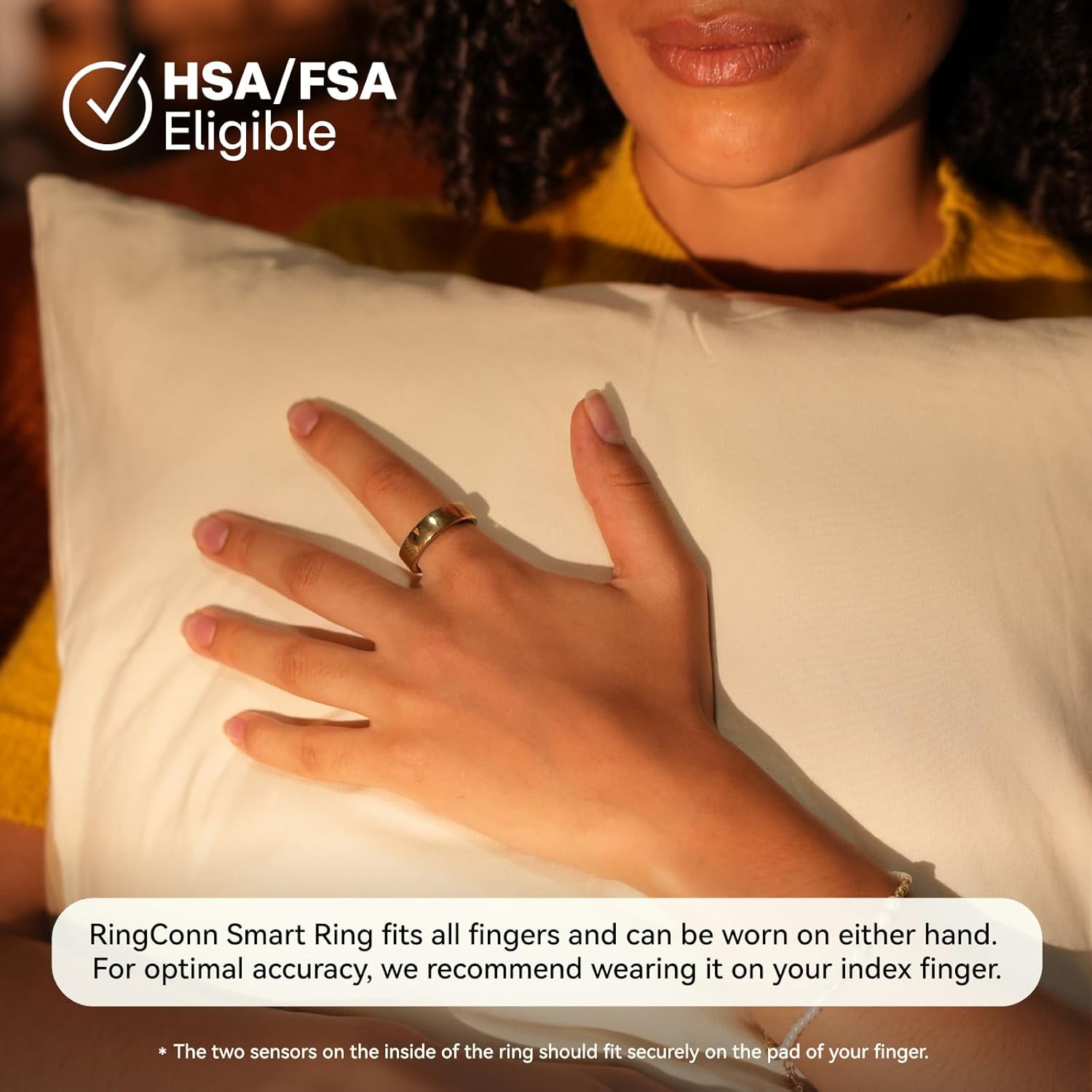
Short answer: Your resting heart rate naturally increases 2-7 bpm after ovulation and stays elevated until your period starts. This is caused by progesterone, which increases metabolic rate. It’s completely normal and predictable — many women use this pattern to anticipate period arrival.
Heart rate across the menstrual cycle
Your resting heart rate follows a predictable pattern tied to hormonal shifts:
| Cycle phase | Days | Hormones | Resting heart rate | Change from baseline |
|---|---|---|---|---|
| Menstruation | 1-5 | Low estrogen, low progesterone | 58-62 bpm | Baseline |
| Follicular | 6-13 | Rising estrogen | 58-62 bpm | Baseline (lowest) |
| Ovulation | 14 | Estrogen peak, LH surge | 60-64 bpm | +2-4 bpm |
| Luteal | 15-28 | High progesterone | 62-68 bpm | +4-10 bpm (peaks before period) |
The pattern matters more than absolute numbers. If your baseline is 55 bpm, seeing 61 bpm in the luteal phase is the same pattern as someone going from 70 to 76 bpm.
Why progesterone increases heart rate
After ovulation, your corpus luteum produces progesterone to prepare the uterus for potential pregnancy. Progesterone has metabolic effects:
- Increases basal metabolic rate by 10-15%
- Raises core body temperature by 0.3-0.5°C (0.5-1°F)
- Increases cardiac output — heart pumps slightly more blood per minute
- Result: Resting heart rate rises 2-7 bpm on average
This is why many women also feel warmer, slightly more fatigued, or have increased appetite in the luteal phase — your body is burning more energy at rest.
Normal ranges and what to expect
Typical pattern for a 28-day cycle:
- Days 1-13: Resting HR 58-62 bpm (stable, lowest)
- Day 14 (ovulation): Small spike to 62-64 bpm
- Days 15-27: Gradual rise to 64-68 bpm (peaks 1-2 days before period)
- Day 28-1: Sharp drop back to 58-60 bpm when period starts
Individual variation:
- Some women see only 2-3 bpm increase (subtle but trackable)
- Others see 8-10 bpm increase (more noticeable, may feel heart racing at times)
- Athletic women with low baseline HR (45-55 bpm) often see smaller absolute increases
Using heart rate to predict your period
The luteal-phase heart rate increase is so consistent that many women use it as a period predictor, often more reliable than calendar apps.
How to track:
- Wear a smart ring nightly for 2-3 cycles
- Note your follicular-phase baseline (days 5-13)
- Watch for the post-ovulation rise (sustained 3+ bpm above baseline for 3+ days)
- When heart rate peaks and starts to drop, period arrives within 1-3 days
Why it works: The drop signals progesterone withdrawal, which immediately precedes menstruation.
RingConn Gen 3 and Oura Ring track overnight resting heart rate automatically and can show you this pattern over months.
Heart rate + temperature = better prediction
Smart rings that track both resting heart rate and skin temperature give you an even clearer picture:
Ovulation signs:
- Temperature drops slightly (0.2-0.3°F) 1-2 days before ovulation
- Heart rate begins rising
Luteal phase confirmation:
- Temperature rises 0.5-1°F above baseline (sustained)
- Heart rate elevated 3-7 bpm
- Both stay high for 10-14 days
Period imminent:
- Temperature drops back to baseline
- Heart rate drops back to baseline
- Period starts within 24-48 hours
When to worry about high heart rate before period
Most pre-period heart rate increases are normal hormonal fluctuations. Red flags:
See a doctor if:
- Resting heart rate exceeds 100 bpm consistently
- You have irregular heartbeat, skipped beats, or palpitations
- Chest pain, shortness of breath, or dizziness
- Pattern suddenly changes (e.g., always 3 bpm increase, suddenly 15 bpm)
- Elevated heart rate persists after period starts (stays 10+ bpm above baseline for a week)
Potential issues to rule out:
- Thyroid dysfunction (hyperthyroidism)
- Anemia (common with heavy periods)
- PCOS (polycystic ovary syndrome)
- Pregnancy (if period doesn’t arrive and HR stays elevated)
Other factors that affect pre-period heart rate
1. PMS and stress
Premenstrual syndrome can amplify the heart rate increase through stress and anxiety.
Mechanism: Cortisol + progesterone = compounded metabolic effect
What helps: Magnesium (300-400mg daily), regular exercise, stress management
2. Inflammation
Some women experience inflammatory responses before menstruation (bloating, joint pain). Inflammation raises baseline heart rate.
3. Sleep quality
Sleep often worsens in the luteal phase (progesterone disrupts deep sleep). Poor sleep raises daytime resting heart rate by 3-5 bpm.
4. Dehydration and bloating
Fluid retention before periods can paradoxically lead to relative dehydration (fluid trapped in tissues, not blood). This raises heart rate.
Fix: Increase water intake (not salt)
Tracking with smart rings vs. other methods
| Method | Pros | Cons |
|---|---|---|
| Smart ring (RingConn, Oura) | Automatic overnight tracking, most accurate resting HR | Cost ($200-300) |
| Fitness watch | Real-time HR, workout tracking | Less accurate for resting HR (wrist movement) |
| Manual pulse check | Free | Inconsistent timing, hard to track trends |
| Basal body thermometer | Tracks ovulation well | Requires daily morning measurement, no HR data |
Smart rings win for cycle tracking because they capture true resting heart rate during sleep (not influenced by daily activity stress) and track temperature simultaneously.
The bottom line
A 2-7 bpm resting heart rate increase in the luteal phase (after ovulation, before period) is completely normal and caused by progesterone’s metabolic effects. Track it for 2-3 cycles with a smart ring to learn your personal pattern.
Use the pattern to predict period arrival (HR peaks then drops 1-2 days before), understand your body’s signals, and distinguish normal hormonal shifts from actual health issues. Only worry if the increase is extreme (15+ bpm), accompanied by symptoms (palpitations, chest pain), or deviates significantly from your established pattern.